Gut Health Supplement Companies: Compare Price Per Serving, Not Per Bottle
Quick Answer: The Only Price Comparison That Works
Divide what you pay in total, including shipping, by the number of servings you actually receive — that is cost per serving, and it is the only figure that lets you compare two different brands. Bottle prices are not comparable, because capsule counts, serving sizes and daily doses all differ between products, so the same bottle price can mean twice the daily cost. Work out cost per serving first to make products comparable, then check what each serving actually contains in milligrams.
- Step one: find servings per container on the Supplement Facts panel, not capsules per bottle.
- Step two: divide total cost, including shipping and any tax, by total servings.
- Step three: compare what a serving contains — cheap servings of nothing are not value.
Why the bottle price tells you almost nothing
Two bottles sit on a comparison page at the same headline figure. One holds 30 capsules and asks for one a day. The other holds 60 capsules and asks for two a day. Both are a one-month supply, so far so equal. Now change one variable: a third product holds 120 capsules and asks for two a day, which is a two-month supply, and it is advertised at a higher bottle price. On the shelf it looks like the expensive one. Per serving, it is the cheapest of the three by a wide margin.
That is not an unusual case. It is the normal state of this category. Capsule counts vary between 30 and 180. Daily servings vary between one and four. Some brands sell 30-day bottles, some sell 45, some quietly sell 20-day bottles with a large-looking capsule count. Once those variables move independently, the bottle price stops carrying any information about what the product costs you to use, and the only way to restore comparability is to reduce everything to a single unit: one serving, or one day.
There is a second reason bottle pricing persists. It makes bundle discounts look larger. If a single bottle is quoted at one figure and a six-pack at a lower per-bottle figure, the percentage saving reads impressively. Expressed per serving, the same discount is often a modest difference in daily cost — real, but not the transformation the layout implies.
The three numbers you need, and where they hide
Every calculation here depends on three figures, and all three are available before you buy if you know where to look.
Servings per container. This is printed at the top of the Supplement Facts panel, directly under serving size. It is not the same as capsule count. A bottle of 60 capsules with a serving size of two capsules contains 30 servings. Marketing pages quote the capsule count because it is the bigger number; the panel quotes servings because that is the honest one.
Serving size. Also at the top of the panel, expressed as capsules, scoops or millilitres. This determines how fast the bottle empties, and it is the variable most often glossed over in comparisons. A product requiring three capsules a day is a fundamentally different purchase from a once-daily one, both in cost and in whether you will still be taking it in week six.
Total delivered cost. Not the sticker figure. Add shipping, add any handling charge, add tax where it applies, and if a subscription is involved, use the price you will pay on the second charge rather than the introductory one. Then divide by total servings across every bottle in the pack. Getting the delivered total right also depends on buying from a source that publishes shipping and guarantee terms up front, which our guide to where to buy Trimoryn and what each pack costs works through.
Cost per serving turns incomparable products into comparable ones. It does not tell you which is worth buying — that still depends on what the serving contains.
Doing the arithmetic on a specific product?
Serving size, servings per container and the current Trimoryn price all sit on the official page — the three numbers you need to work out where to buy weight loss supplements without guessing.
See the Official Trimoryn OfferA worked comparison, using days instead of currency
Prices differ by country, by retailer and by promotion, so the table below uses relative cost instead of any currency figure. Assume each product is bought at the same total outlay, indexed to 100. The point is how far that identical outlay stretches once serving size is taken into account.
| Product shape | Capsules per bottle | Serving size | Servings per container | Days covered by one bottle | Relative cost per day |
|---|---|---|---|---|---|
| Once-daily capsule | 30 | 1 capsule | 30 | 30 | 3.3 |
| Twice-daily capsule | 60 | 2 capsules | 30 | 30 | 3.3 |
| Large-count, twice daily | 120 | 2 capsules | 60 | 60 | 1.7 |
| Three-times-daily fibre | 90 | 3 capsules | 30 | 30 | 3.3 |
| Short bottle | 40 | 2 capsules | 20 | 20 | 5.0 |
| Six-bottle bundle, once daily | 30 × 6 | 1 capsule | 180 | 180 | 0.6 |
Two things fall out of that table. The first is that the "short bottle" costs half as much again per day as the standard once-daily product, despite looking similar on a shelf — a 20-day bottle is a common and easily missed format. The second is that the bundle genuinely is cheaper per day, by a large factor, provided you use all of it. That proviso is doing real work, and it is the subject of the next section.
What bundles hide, and what guarantees are worth
Multi-bottle packs are the standard structure across this category, and the per-serving maths behind them is honest. The risk they carry is not arithmetic but commitment. If a product does not agree with you in week two, a six-month supply is a six-month supply of something you are not taking, and the discount evaporates.
Read the guarantee against the pack size before deciding. A 60-day guarantee on a six-month bundle only covers the first third of what you bought, and refund terms vary considerably in what they require: unopened bottles returned, return shipping paid by you, a returns authorisation number obtained first, a specific window counted from delivery rather than from purchase. None of that is unusual, and none of it is hidden — it is simply in the terms rather than the headline.
The practical rule most buyers land on is to buy the smallest pack for the first run, decide whether the product suits you and whether you will actually keep taking it, and only then buy the larger pack for the per-serving discount. That sequence costs slightly more up front and considerably less when things do not work out. Before committing at all it helps to know what the category actually contains, which is why our survey of the best over-the-counter weight loss pills separates the one approved drug from the supplements sold beside it.

Cost per active milligram: comparing gut health supplement companies fairly
Cost per serving makes products comparable. It does not make them equal. A serving containing 10 mg of every listed active is cheaper to produce than one containing 100 mg of each, and if both are priced the same, the second is better value even though the per-serving figure is identical.
So once you have the daily cost, do one more pass: look at what the serving actually delivers. Are the actives listed individually in milligrams, or hidden inside a proprietary blend where you cannot see the split? Are the strains named at species level with a CFU count each? Do the amounts bear any relationship to the doses used in research — berberine trials at around 1,000 to 1,500 mg daily, glucomannan satiety claims at three grams a day split across three doses with water? A product that costs little per serving and contains token amounts of everything is not cheap; it is simply small.
This is where the most useful comparison between gut health supplement companies actually happens. Transparency is the differentiator that survives scrutiny: full disclosure of amounts, named strains, clear serving sizes, published returns terms and a contactable company. Everything else — badges, bundle graphics, countdown timers — is presentation. Our guide to what to look for on a gut formula label covers those panel checks in detail.
What this method cannot tell you
Cost per serving is an arithmetic tool, not a quality judgement, and it has clear limits. It cannot tell you whether a formula will do anything for you. It cannot compare across categories — a fibre product and a probiotic are not competing for the same job even when they share a shelf. It cannot account for the fact that most weight-management ingredients have modest evidence at best; a very cheap daily cost for something that does little is not value either.
It also cannot substitute for the underlying reality that supplements are not where weight change comes from. Assessments published by the US National Institutes of Health consistently find small effects and frequently low-quality evidence across this category, and that a calorie-controlled diet plus physical activity is what actually moves body weight. Getting the price arithmetic right protects your money. It does not change what the product does, and no comparison table should imply otherwise.
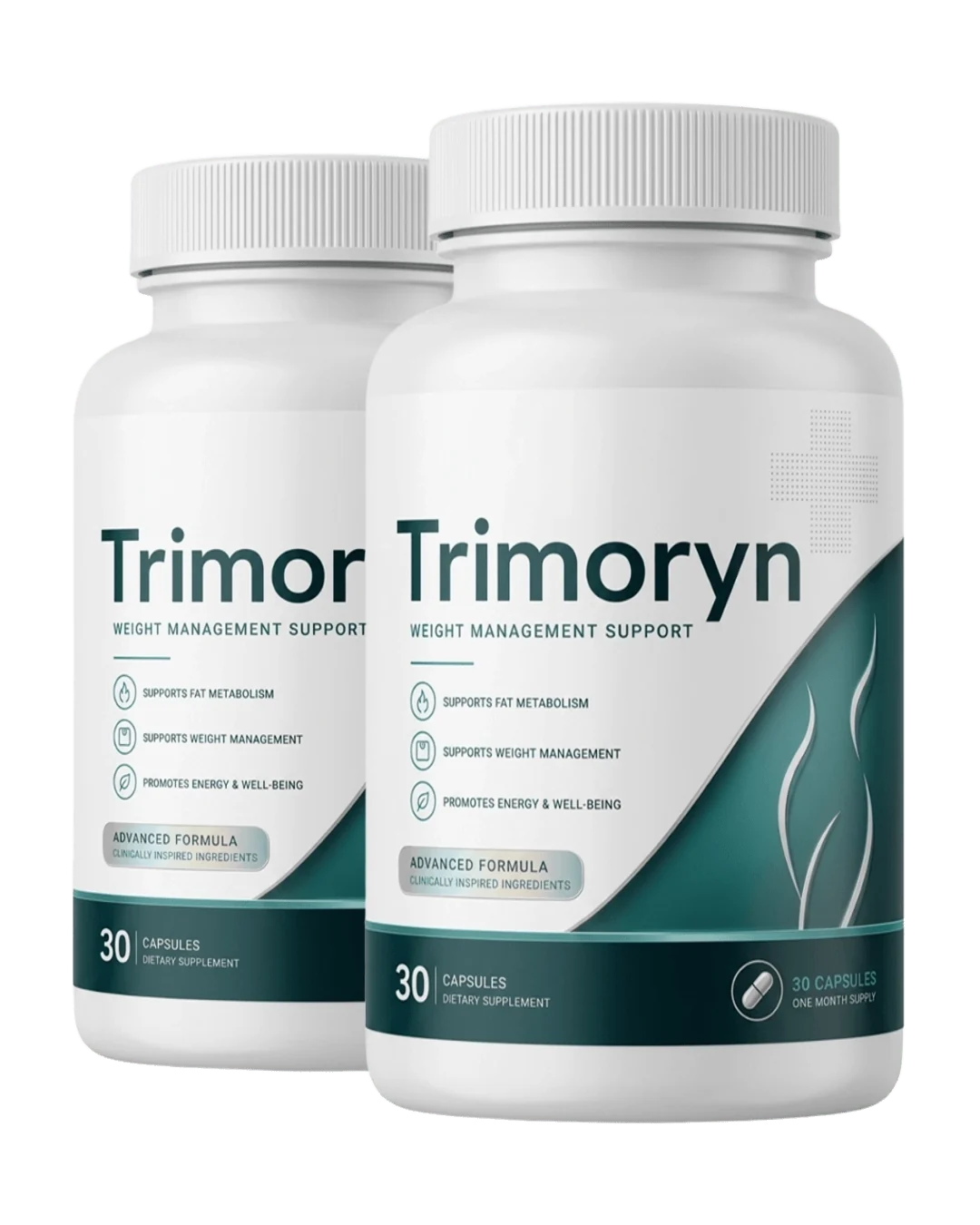
Finally, prices move. Promotions, regional pricing, shipping thresholds and subscription terms all shift, which is why this article deliberately contains no currency figures. Run the calculation on the numbers in front of you at the moment you buy, using the total you will actually be charged. If you want to try it on a real panel, the Trimoryn formula covered on this site is a once-daily capsule with 30 servings per container, which makes the arithmetic about as simple as this category gets.
Medical note: this article is general information about comparing products, not medical advice. Speak to a healthcare professional before starting any supplement, especially if you are taking medication or managing a health condition.
Frequently asked questions
How do you calculate cost per serving for a supplement?
Divide the total you pay, including shipping and tax, by the number of servings you actually receive. Servings per container is printed on the Supplement Facts panel, so multiply that figure by the number of bottles in the pack. If a product asks for two capsules a day and lists 60 capsules, that is 30 servings, not 60, and the honest comparison is against another product's 30 servings.
Why do gut health supplement companies advertise bottle prices?
Because bottle prices are not comparable, and that works in the seller's favour. Bottle size, capsule count and daily serving all vary between brands, so two bottles at the same price can differ by several times in how long they last. Quoting a per-bottle figure also makes multi-bottle bundles look like larger savings than the per-serving arithmetic supports.
Is a bigger bundle always cheaper per serving?
Usually yes on paper, but only if you finish it. A six-bottle pack lowers the per-serving figure, and it also increases the amount at risk if the product does not suit you or the return window closes before you have used much of it. Compare the per-serving cost of the smallest pack against the guarantee period before deciding how much to commit to.
Does a lower cost per serving mean better value?
Not on its own. Cost per serving tells you what you pay per day, not what you get for it. A cheap serving that contains token amounts of every active ingredient can cost more per milligram than a pricier one that lists meaningful doses. Compare cost per serving first to make products comparable, then compare what each serving actually contains.
Scientific references
- NIH Office of Dietary Supplements — Dietary Supplements for Weight Loss
- NIH Office of Dietary Supplements — Fact sheets on individual ingredients and doses
- NIH NCCIH — Dietary and Herbal Supplements
- Mayo Clinic — Dietary supplements: Do they help or hurt?
- Shahinfar H. et al. — Comparative effects of nutraceuticals on body weight in adults with overweight or obesity: a systematic review and network meta-analysis of 111 randomized clinical trials, Pharmacological Research (2023)
Run the numbers on the official page
Serving size, servings per container, pack options and guarantee terms — everything the per-serving calculation needs, shown together.
Check Availability