Best Over the Counter Weight Loss Pills: What You Actually Need to Know
Quick Answer: What Are the Best Over the Counter Weight Loss Pills?
The only FDA-approved over the counter weight loss pill is Alli (orlistat), which blocks about a third of the fat you eat and costs under sixty dollars a month. It works best alongside a lower-fat, calorie-controlled diet. Other shelf products are supplements, not drugs, and support diet and exercise rather than replace them.
- Only FDA-approved OTC drug: Alli (orlistat), which blocks roughly one third of dietary fat.
- Prescriptions outperform: GLP-1 medicines give bigger results but cost far more and need a script.
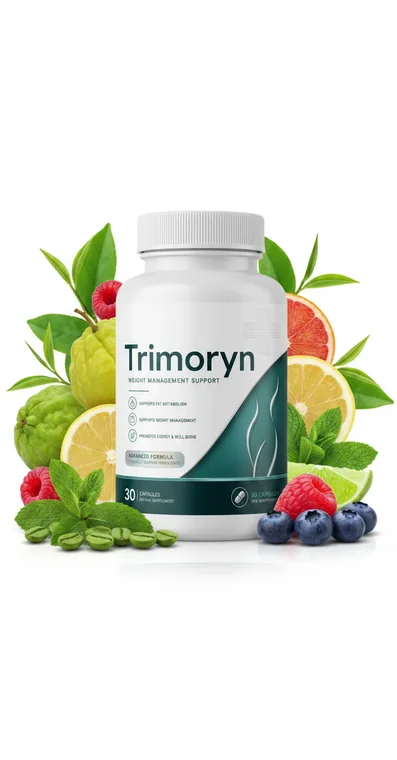
- Supplements like Trimoryn: daily support for appetite and metabolism, not a weight-loss drug.
If you have ever stood in a pharmacy aisle reading the front of a box, you already know the problem with over the counter weight loss pills: everything on the shelf promises the same thing, and almost none of it explains what it actually is. The word "pill" flattens two very different categories into one, and the marketing is designed to keep them blurred. This guide separates them, sets an honest expectation for each, and shows you where a daily support supplement fits into a plan that already includes the two things that move the scale most.
Here is the distinction to hold onto. A tiny number of over the counter weight loss pills are actually approved drugs, evaluated by the FDA for a specific effect. Everything else is a dietary supplement, which is regulated as food and is not approved to treat obesity. Both can have a place. But they are not the same thing, and pretending otherwise is how people end up disappointed, out of pocket, or both.
The one over the counter weight loss pill the FDA has actually approved
There is exactly one: Alli, the half-strength version of the drug orlistat. The prescription strength is sold as Xenical; the lower-dose version was cleared for sale without a prescription. Orlistat does something mechanically simple and easy to verify. It blocks the enzyme your gut uses to break down dietary fat, so roughly a quarter to a third of the fat in a meal passes through undigested rather than being absorbed as calories.
Because the mechanism is physical rather than mysterious, so are the trade-offs. Orlistat only works on the fat you eat, which means it is only useful paired with a genuinely lower-fat, reduced-calorie diet. Eat a high-fat meal and the unabsorbed fat produces the side effects the product is quietly famous for: loose, oily stools, urgency and gas. Follow the diet the label asks for and those effects largely fade. Average weight loss in trials is modest but real, and it typically runs a few pounds beyond what diet and exercise alone achieve over several months. At under sixty dollars a month, it is the cheapest evidence-backed drug option, and the only one you can buy off the shelf.
Why prescriptions outperform every OTC option
It is worth being blunt about the ceiling on non-prescription pills, because the gap has widened. The newer prescription GLP-1 medicines, taken as weekly injections, produce average weight loss in trials that is several times larger than orlistat. If you have seen dramatic before-and-after stories in the last two years, those are almost always prescription GLP-1 results, not the results of anything sold over the counter.
That performance comes with a very different price and process. GLP-1 medicines require a prescription, a clinician, ongoing monitoring and, without insurance, a monthly cost that can run to many hundreds of dollars. They also carry their own side-effect profile and are not appropriate for everyone. None of that makes them a fair comparison for a shelf product. The honest takeaway is simpler: if you want the biggest pharmacological effect and you are a candidate, that conversation happens with a doctor, not in a supplement aisle. Over the counter weight loss pills, whether the one approved drug or the many supplements, sit below that ceiling by design.
Where supplements fit, and what "supplement" actually means
Everything else you will see marketed as a weight-loss pill, from green tea extract to fiber capsules to metabolism blends, is a dietary supplement. This is not a slur. It is a legal and practical category with real rules, and understanding it protects you from both scams and disappointment. A supplement is regulated as a concentrated food, not as a medicine. That means no company can lawfully claim its supplement treats or cures obesity, and none of them are FDA-approved to do so. Our companion explainer on how supplements are regulated and what the rules really cover walks through why "regulated" is not the same as "pre-approved and proven".
So what is a supplement for? The credible ones are formulated to support the habits that actually drive weight change: eating fewer calories than you burn and staying active. Soluble fiber can blunt appetite so a calorie deficit feels less brutal. Certain botanicals are studied for effects on blood-sugar handling and metabolism. Gut strains are researched for their role in how the body processes what you eat. None of that is a substitute for the deficit. All of it is potentially useful scaffolding around it.
This is exactly the lane a formula like Trimoryn is built for. It is a dietary supplement, not a drug, and it does not pretend otherwise. It combines glucomannan fiber for appetite, botanical extracts including cinnamon bark, prickly pear and berberine for metabolic support, alpha lipoic acid, and two studied gut strains. The point is daily support you keep up for months while the diet and the movement do the heavy lifting, not a pill that overrides them. If you want to see the ingredient amounts rather than take a claim on trust, the full Trimoryn ingredient panel and dosing details are laid out on the main page.
Prefer daily support over a drug?
See the full ingredient amounts, the two gut strains with CFU counts, current pricing and the money-back guarantee on the official page before you decide.
See the Official Trimoryn OfferOver the counter weight loss pills at a glance
It helps to see the three categories side by side, because the choice is rarely "which pill" and more often "which kind of tool for which situation".
| Option | What it is | Typical result | Cost & access |
|---|---|---|---|
| Alli (orlistat) | FDA-approved OTC drug; blocks ~1/3 dietary fat | Modest; a few pounds beyond diet alone | Under $60/month, on the shelf |
| Prescription GLP-1 | Prescription injectable drug | Substantially larger average loss | Often hundreds/month; needs a script |
| Supplements (e.g. Trimoryn) | Dietary support; fiber, botanicals, gut strains | Supportive; helps you stick to a deficit | Varies; sold direct, guarantee-backed |
Three myths worth clearing up
Myth one: an OTC pill can replace the diet. None can, including the one approved drug. Orlistat literally does nothing to fat you did not eat, and supplements support a deficit rather than create one. Any product sold as a way to skip the eating and moving is selling the wrong story.
Myth two: "clinically studied" means the finished product was proven. Usually it means a single ingredient was studied, often at a higher dose than the product contains. That is why reading amounts matters more than reading the ingredient list, a habit we cover in detail in the piece on comparing weight-loss supplements by cost per serving instead of per bottle.
Myth three: natural means gentle and interaction-free. Botanicals are active compounds. Fiber capsules carry a real choking warning if taken without enough water, and stimulant-based burners can raise heart rate. Natural is not a synonym for consequence-free, which is why the safety conversation belongs before the purchase, not after.
The best over the counter weight loss pill is the one whose job you actually understand. A tool you know the limits of beats a miracle you were promised.
How to read any OTC weight-loss label without getting fooled
Whether you are looking at the one approved drug or a shelf full of supplements, the same handful of checks will tell you most of what you need. Read the amounts, not just the names: an ingredient with good evidence at 1,000 mg is not impressive at 100 mg. Look for a full Drug Facts or Supplement Facts panel with a clear serving size, and be suspicious of proprietary blends that lump everything into one number and hide the individual doses. Confirm there is a real manufacturer name, a physical address and reachable support. Check that a money-back guarantee exists and how returns actually work, especially the shipping. And treat any promise of dramatic loss "without diet or exercise" as the single most reliable red flag on the box.
Apply those checks and the aisle gets much quieter. Most of the noise falls away, and you are left comparing a small number of honest options on price, dose and guarantee rather than on who shouted the loudest claim. The other half of a realistic expectation is time, and our timeline piece on how long an appetite suppressant takes to work sets out what should plausibly happen by weeks one, four and twelve.
Setting a realistic expectation
Here is the frame that keeps people sane. Weight change is driven mostly by a sustained calorie deficit and regular movement. A drug like orlistat can add a modest, verifiable nudge on top of that. A prescription GLP-1 can add a much larger one, at a much larger cost and with a clinician involved. A supplement can make the deficit easier to hold, which matters enormously over months, because the plan you can actually stick to beats the aggressive plan you abandon in three weeks. None of these are competitors for your one perfect choice. They are different levers, and most people do best pulling the free ones first and adding a tool that matches their situation.
That is the honest case for a daily support supplement. Not that it melts fat, but that it quietly makes the boring, effective habits more livable. If that is the role you are shopping for, judge the product on its amounts, its guarantee and its transparency, and skip anything that promises to do the work for you.
Medical note: this article is general information, not medical advice. Talk to a healthcare professional before starting any weight-loss pill or supplement, particularly if you are pregnant, nursing, taking medication or managing a health condition such as diabetes.
Related reading
Natural vs prescription weight loss options compared
Where botanical support, OTC drugs and GLP-1 prescriptions each realistically fit.
Do weight loss pills actually work? An honest look
What the evidence says about pills, and the habits that do the heavy lifting.
How supplements are regulated in the UK
Why 'regulated' does not mean 'pre-approved', and what to check yourself.
Best appetite suppressant supplements for 2026
Fiber-first appetite control and which ingredients have real backing.
Frequently asked questions
What is the only FDA-approved OTC weight loss pill?
Alli, the half-strength over-the-counter version of orlistat, is the only weight-loss pill the FDA has approved for sale without a prescription. It works in the gut to block roughly a quarter to a third of the fat you eat from being absorbed, and it is meant to be used alongside a reduced-calorie, lower-fat diet rather than on its own.
Are OTC weight loss pills as effective as prescriptions?
No. In clinical trials, prescription medicines such as the newer GLP-1 injections produce substantially larger average weight loss than orlistat or any over-the-counter option, though they cost far more and require a prescription and monitoring. Over the counter weight loss pills give more modest results, and supplements are more modest again. Setting that expectation up front prevents a lot of disappointment.
Is Trimoryn a drug or a supplement?
Trimoryn is a dietary supplement, not a drug. It is not FDA-approved to treat obesity, and no supplement is. It combines soluble fiber, botanical extracts and gut strains that are studied as daily support for appetite, metabolism and gut balance alongside a calorie-controlled diet and regular activity. It is designed to support those habits, not to replace them or to work in their absence.
What should I look for on an OTC weight loss label?
Read the amounts, not just the ingredient names. Check that each active ingredient appears at a dose close to what studies actually used, look for a clear serving size, a full Supplement Facts or Drug Facts panel, a manufacturer name and address, and a money-back guarantee. Be wary of proprietary blends that hide individual doses and of products promising dramatic results without any diet or exercise.
Scientific references
- NIH Office of Dietary Supplements — Dietary Supplements for Weight Loss
- NIH NCCIH — Dietary and Herbal Supplements
- U.S. FDA — Orlistat (Alli, Xenical) Information
- Mayo Clinic — Prescription weight-loss medicine
- Bessell E. et al. — Efficacy of dietary supplements containing isolated organic compounds for weight loss: a systematic review and meta-analysis of randomised placebo-controlled trials, International Journal of Obesity (2021)
Check the amounts before you buy
Full ingredient doses, both gut strains, shipping options and the current Trimoryn price and guarantee are all shown on the official page.
Check Availability