Natural vs Prescription Weight Loss Options: Where Supplements, OTC and Prescription Weight Loss Pills Fit
Quick Answer: Should you try a supplement before prescription weight loss pills?
For many people a daily supplement is a sensible first move, because it needs no prescription and carries little financial risk. It is not a replacement for medical care. If you carry a lot of excess weight or a health condition, a clinician may recommend prescription weight loss pills as the right first step.
- Supplements: lowest cost, daily appetite and routine support — not obesity drugs.
- OTC drug: Alli is the only FDA-approved option, with modest results.
- Prescription: GLP-1 medicines deliver the largest average loss at the highest cost.
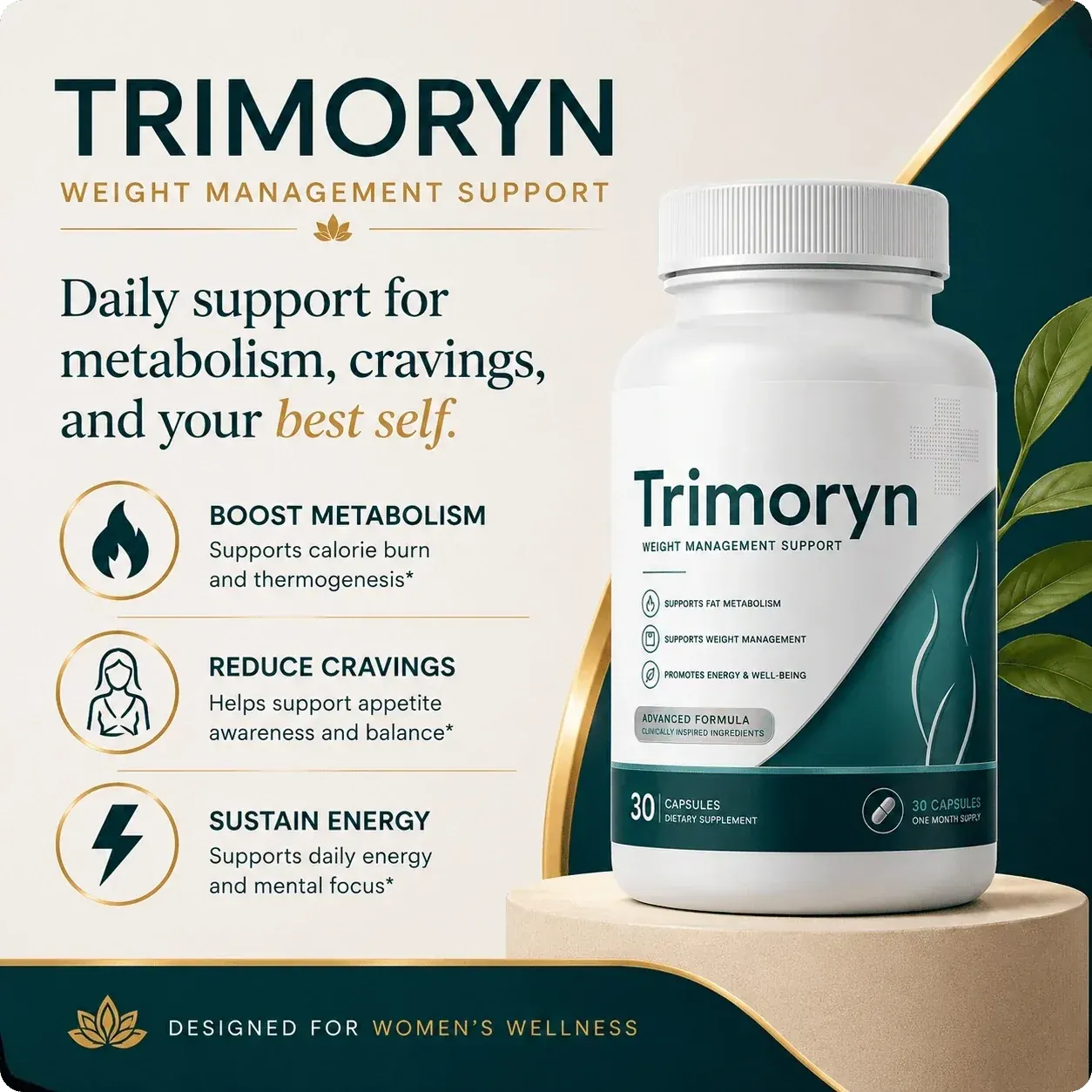
Type a weight-loss question into a search bar today and you get a wall of options that were never meant to compete with one another. On one side sit prescription weight loss pills and injections that dominate the headlines. On the other sit shelves of supplements promising the same outcome for a fraction of the price. In the middle is a single over-the-counter drug almost nobody mentions. The honest answer to "which is best" is that they are not the same product doing the same job, and choosing well starts with understanding what each tier actually is.
The search volume tells you how many people are stuck at exactly this fork: the phrase "prescription weight loss pills" alone draws roughly 22,200 searches a month. This guide lays the three tiers side by side — cost, evidence, effort and risk — so you can self-select where you fit, and see clearly where a daily supplement such as Trimoryn belongs in the picture and, just as importantly, where it does not.
The three tiers, and why they are not interchangeable
Weight-management products fall into three legally and clinically distinct groups, and conflating them is the single most common mistake shoppers make. A supplement is a food product. An over-the-counter drug is a medicine you can buy without a prescription. A prescription drug is a medicine a clinician must authorise. Those are not three price points on one shelf; they are three different regulatory categories with different rules for what they can claim, how they are tested and what they are allowed to do to your body.
That distinction matters because it sets expectations. A supplement cannot legally claim to treat obesity, and it should not be judged as if it were an obesity drug that simply costs less. A prescription GLP-1 medicine is authorised precisely because it is expected to produce a clinical effect, which is also why it is expensive, monitored and not sold freely. Understanding the tier tells you, before you spend anything, roughly what the product can and cannot deliver. The rest of this article walks each tier in turn.
How prescription weight loss pills actually work
The category that fills the news is the GLP-1 receptor agonist family — semaglutide, tirzepatide and their relatives — sold under brand names such as Wegovy and Zepbound. These medicines mimic a gut hormone that signals fullness to the brain and slows how quickly the stomach empties, so you eat less without white-knuckling through hunger. In clinical trials they produce the largest average weight loss of anything discussed here, frequently in the double digits as a percentage of body weight over a year.
That performance comes at a real cost in three currencies. The first is money: Wegovy carries a list price of roughly 1,349 US dollars for a four-week supply before insurance or manufacturer savings programmes, and coverage for weight loss specifically is patchy. The second is access — these are prescription-only, requiring a clinician, monitoring and often step-up dosing. The third is side effects, which are common at the start: nausea, constipation and digestive upset as the body adjusts. A newer wave of oral GLP-1 options sold through telehealth memberships has pushed the entry price down, with some introductory offers starting near 39 dollars for the first month, though the ongoing figure and the medical oversight vary widely between providers.
None of this makes prescription treatment the wrong choice. For someone with a significant amount of weight to lose or a weight-related health condition, it is frequently the most effective and most appropriate option, full stop. The point is simply that it is a medical decision with a medical price tag, not a shelf purchase.
Want the lowest-commitment place to start?
If a daily, no-prescription support supplement is where you want to begin, the official Trimoryn page lays out the formula, serving size and guarantee in one place so you can decide without guesswork.
See the Official Trimoryn OfferThe over-the-counter drug almost nobody names
Between prescription medicines and supplements sits a category most people forget exists: over-the-counter weight loss drugs. In the United States there is exactly one that is FDA-approved — Alli, a half-strength version of the prescription drug orlistat. It works differently from the GLP-1 family: rather than reducing appetite, it blocks your gut from absorbing a portion of the fat you eat, which is then passed out of the body.
Because it is a genuine drug, Alli has measurable, if modest, effects in studies — typically single-digit weight loss when paired with a reduced-calorie, lower-fat diet. Its well-known digestive side effects, which arrive promptly if you eat a high-fat meal, are effectively the mechanism made visible. It is inexpensive relative to prescription options and needs no clinician, but it demands dietary discipline to be tolerable, and it is the only true OTC drug in this space. Everything else sold over the counter and marketed for weight is a supplement, not an approved drug — a distinction our guide to how supplements are regulated and what a health claim legally means unpacks in detail.
Where daily supplements like Trimoryn fit
Supplements are the largest and noisiest tier, and the one most vulnerable to overblown marketing. Here is the honest framing: a well-formulated weight-management supplement is daily support, not an obesity drug. It is not going to reproduce a GLP-1 trial result, and any product that promises it will is telling you something the law does not let it deliver. What a considered formula can reasonably do is nudge the everyday levers that make a calorie-controlled diet easier to sustain — appetite, routine, digestion and the sense of fullness after a meal.
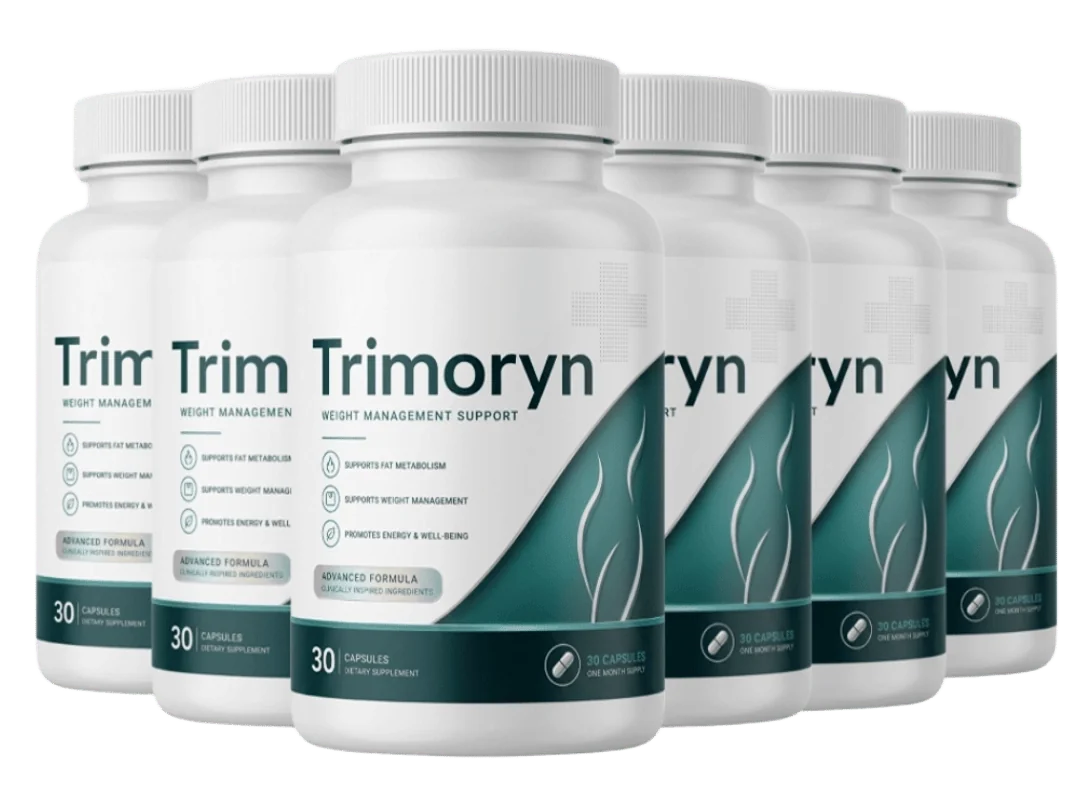
Trimoryn sits in this tier as a once-daily capsule built around ingredients with at least some human research behind them: cinnamon bark, prickly pear and berberine on the metabolic side, glucomannan fibre for fullness, alpha lipoic acid, and two gut strains, Bifidobacterium breve and Akkermansia muciniphila. The most useful way to think about a product like this is as scaffolding for the behaviour that actually moves weight, not as a shortcut around it. If you want the evidence behind the headline ingredients rather than the marketing, our review of what the research on berberine and Akkermansia actually shows is the honest version, including where the evidence stops.
The advantages of this tier are real: lowest cost, no prescription, no clinician gatekeeping, and low physical risk for most healthy adults. The trade-off is equally real: the effects are smaller and less certain, and they lean heavily on what you do with your diet and activity. A supplement is the tier where the product does the least and you do the most — which, for a lot of people at the start of a change, is exactly the right place to begin.
Three myths worth clearing up
Myth one: a supplement is just a cheap version of a prescription drug. It is not a version of it at all. They are different regulatory categories doing different jobs. A supplement that worked like a GLP-1 drug would, by definition, be a drug and would be regulated as one. Pricing them as if they sit on a single ladder from "budget" to "premium" is the error the whole category leans on.
Myth two: prescription drugs are a permanent shortcut that lets you skip diet and exercise. The trials that produced those impressive numbers combined the medicine with diet and activity counselling, and weight tends to return when people stop the drug without a maintained routine. Behaviour is the constant across every tier; the tiers differ only in how much help you get with it.
Myth three: "natural" means safer and therefore always the better first choice. Natural is not a synonym for risk-free. Supplement ingredients can interact with medication and are not tested to the standard a drug is. For someone with a serious weight-related condition, delaying effective medical treatment to try a gentler product is not automatically the cautious choice — sometimes it is the risky one. The right first step depends on your situation, not on which option sounds most wholesome.
These are three tools for three jobs, not three prices for one job. The question is not which is best in the abstract, but which fits where you are right now.
Can you combine them, and how to choose
People increasingly ask whether they can stack a supplement onto prescription treatment. The answer is a qualified "sometimes, with sign-off." GLP-1 drugs already slow the stomach, so piling a heavy dose of viscous fibre on top can amplify the digestive side effects rather than help. Some supplement ingredients nudge blood sugar or affect how medication is absorbed. None of that is a reason for blanket alarm, but all of it is a reason to bring the actual label to your prescriber or pharmacist and let them check before you combine anything.
To self-select, work down three questions honestly. How much weight are you looking to lose, and is there a health condition attached? Larger amounts and medical conditions point toward a clinician and, potentially, prescription weight loss pills. What is your budget and appetite for monitoring? That separates the prescription tier from the low-commitment supplement tier. And how ready are you to change diet and activity now, regardless of product? Because that readiness is the single biggest predictor of results in every tier. If your honest answers are "a moderate amount, no serious condition, limited budget, and ready to change my routine," a daily support supplement is a rational, low-risk place to start — and you can escalate later if you need to.
Whatever tier you land in, treat cost with the same scrutiny. With supplements especially, the sticker price on a bottle hides the real number; our breakdown of why cost per serving beats the advertised bottle price shows how to compare like with like before you commit.
What none of these options can do for you
A closing dose of realism keeps this honest. No tier removes the underlying arithmetic: sustained weight change comes from a calorie-controlled diet and physical activity, and the products differ only in how much they help you stick to that. Assessments published by the US National Institutes of Health repeatedly find small effects and often low-quality evidence across the supplement category, while the strongest prescription results still sit on top of diet and behaviour change, not instead of it. Choosing a tier protects your money and sets your expectations; it does not change that reality, and no comparison should pretend otherwise. If you decide a supplement is your starting point, the Trimoryn formula covered on this site is a once-daily capsule you can weigh on those terms.
Medical note: this article is general information comparing categories of products, not medical advice, and it is not a recommendation to start, stop or switch any treatment. Speak to a doctor or pharmacist before starting a supplement or a weight-loss medication, especially if you take other medicines or manage a health condition.
Related reading
Frequently asked questions
Should I try a supplement before prescription options?
For many people it is a reasonable first step, because a daily supplement carries lower cost and no prescription. It is not a substitute for medical treatment, though. If you have a large amount of weight to lose or a weight-related health condition, speak to a clinician first, because prescription options may be the appropriate starting point rather than something you build up to.
How much do prescription weight loss drugs cost?
Branded GLP-1 injections such as Wegovy carry a list price of roughly 1,349 US dollars for a four-week supply before insurance or savings programmes. Newer oral GLP-1 telehealth memberships can start near 39 dollars for the first month, then rise. Alli, the only FDA-approved over-the-counter weight loss drug, and daily supplements both sit far below those figures.
Can I combine a supplement with prescription treatment?
Possibly, but only with your prescriber's sign-off. Some supplement ingredients affect blood sugar, digestion or how you absorb medication, and GLP-1 drugs already slow the stomach, so adding a fibre-heavy supplement can compound side effects. Bring the full label to your clinician or pharmacist and let them check for interactions before you combine anything.
What's the difference in results between them?
Prescription GLP-1 drugs produce the largest average weight loss in trials, often in the double digits as a percentage of body weight. Alli produces modest, single-digit results alongside a reduced-fat diet. Supplements are not obesity drugs and are best framed as daily support for appetite and routine, with smaller and less certain effects that depend heavily on diet and activity.
Scientific references
- NIH Office of Dietary Supplements — Dietary Supplements for Weight Loss
- US FDA — Orlistat (Alli) over-the-counter weight loss drug information
- NIH NIDDK — Prescription Medications to Treat Overweight and Obesity
- NIH NCCIH — Dietary and Herbal Supplements
- Mayo Clinic — Prescription weight-loss drugs: Can they help you?
- Wilding J.P.H. et al. — Once-weekly semaglutide in adults with overweight or obesity, New England Journal of Medicine (2021)
Decided a daily supplement is your starting point?
The official Trimoryn page shows the once-daily formula, serving size, pack options and money-back guarantee together — everything you need to weigh it against the alternatives.
Check Availability