Do Weight Loss Pills Actually Work?
Quick Answer: Do Weight Loss Pills Actually Work?
Weight loss pills work, but modestly, and only as support. Over-the-counter supplement effects are small and mixed; prescription drugs add roughly 3% to 12% extra body-weight loss over a year versus lifestyle alone, and orlistat blocks about a third of dietary fat. No pill replaces a calorie deficit, and results vary from person to person, so the honest expectation is help, not a solution in a capsule.
- OTC supplements: modest, ingredient-dependent effects that support diet and activity.
- Prescription drugs: stronger evidence, decided by a clinician, not a label.
- The constant: every result assumes a calorie deficit underneath it.
Do weight loss pills work? If you are skeptical, you are already ahead of most of the marketing, because the honest answer is a qualified yes with heavy conditions attached. Some pills produce real, measurable effects. None of them produce the effect the packaging implies — effortless fat loss with no change to how you eat. This article separates what the evidence actually supports from what the industry hopes you will assume, and it does so without pretending a capsule can do a diet's job.
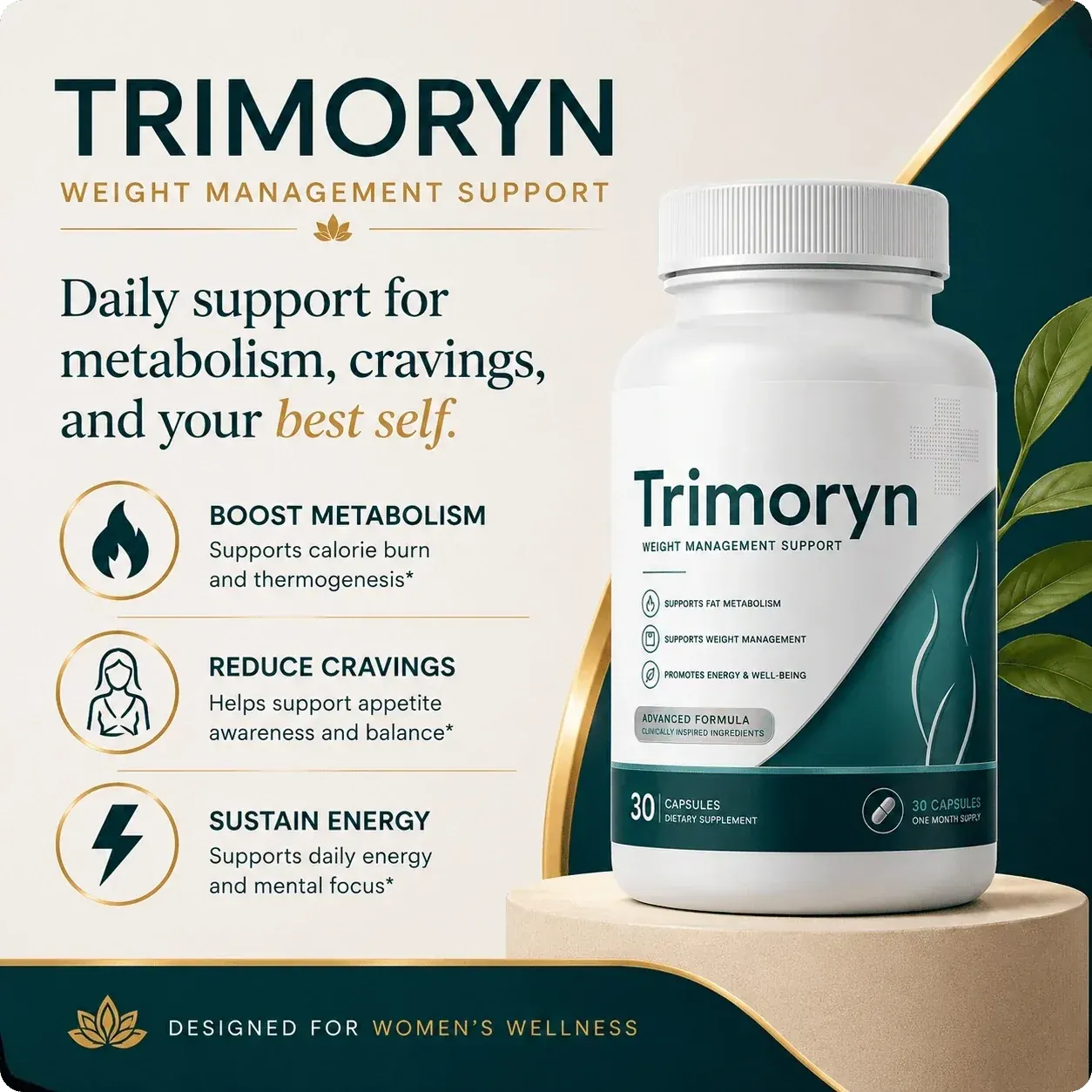
We will look at three categories — over-the-counter supplements, prescription medications, and fat-blockers like orlistat — and be specific about magnitude, because “it works” and “it works a little, alongside a calorie deficit” are very different claims. By the end you will be able to judge any product, including a supplement like the Trimoryn weight-management formula reviewed on this site, against a realistic bar instead of a fantasy one.
The one rule every honest answer starts with
Before comparing any product, hold onto the single fact that governs all of them: weight change comes from an energy deficit. You lose weight when you take in less energy than you use, and you gain it when you do the reverse. There is no pill, prescription or supplement, that suspends that rule. What a pill can do is influence the deficit — make it easier to reach by reducing appetite, or slightly larger by blocking some absorbed calories — but it always operates on top of the deficit, never instead of it.
This is why the same review bodies that evaluate these products, including the US National Institutes of Health, describe supplement effects as modest and consistently pair even prescription results with diet and activity. Any product that promises weight loss with no dietary change is either overstating a small effect or making a claim the evidence does not support. Keep that filter in mind and most of the category sorts itself out quickly.
Over-the-counter supplements: modest, ingredient-dependent effects
This is the category most people mean when they ask the question, and it is the one with the widest gap between marketing and evidence. Reviews of dietary supplements for weight loss generally find small average effects, mixed results between studies, and evidence that is often of low quality. That does not mean “nothing works”; it means the honest expectation is a modest assist, and the assist depends heavily on which ingredients are present and at what doses.
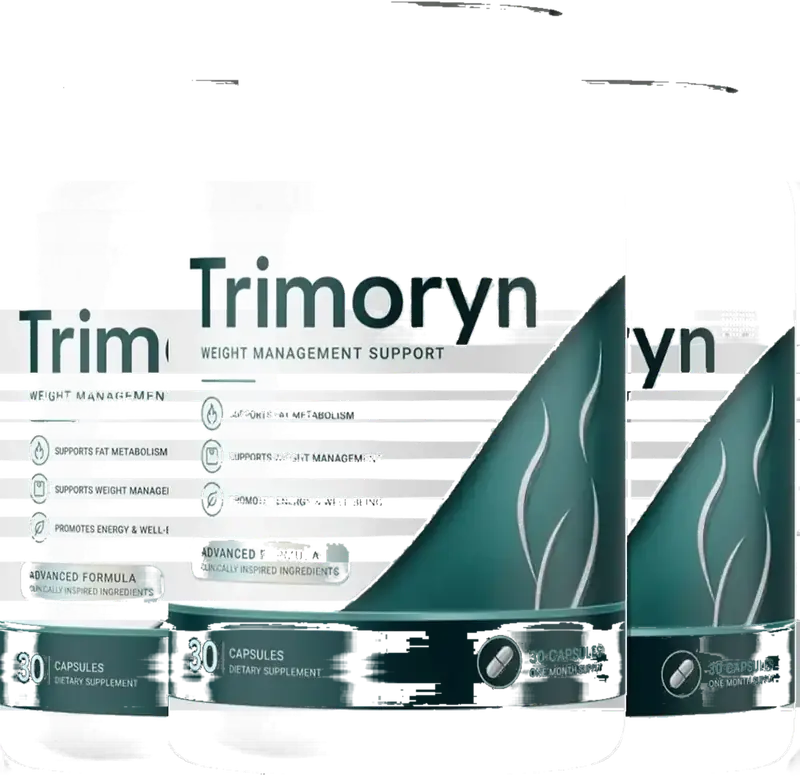
Some ingredients have a more credible mechanism than others. Soluble fibers such as glucomannan can increase fullness and reduce calorie intake by expanding with water in the stomach — a physical effect you can feel. Berberine has genuine, if modest, metabolic evidence built over eight-to-twelve-week trials. Others that dominate the marketing have thin or contradictory support. The practical takeaway is that the category label tells you almost nothing; the ingredient panel and the doses tell you almost everything, which is exactly why transparency matters more than any headline claim. A disclosed dose only counts if it is then taken as intended, which is the practical side we cover in how to take a weight loss supplement.
Want to judge a real formula against this bar?
See exactly which ingredients and doses are on the label, alongside the money-back guarantee, so you can decide whether the evidence justifies a trial for you.
See the Official Trimoryn OfferPrescription options: the strongest evidence, and why
Prescription weight-loss medications sit at the evidence-heavy end of the spectrum. In clinical trials, added to a reduced-calorie diet and increased activity, they have produced roughly 3% to 12% more body-weight loss over about a year than lifestyle changes alone, depending on the drug. That is a real, clinically meaningful range — and notice what it is measured against: lifestyle change is still the baseline the drug is added to, not replaced by.
These medications are prescribed and monitored by a clinician for good reasons: eligibility, side effects and interactions all need judgement that a shelf product cannot provide. They are not better or worse than supplements in some simple sense; they are a different tool, with stronger evidence, tighter oversight and their own trade-offs. If your situation warrants medical weight management, that is a conversation for a doctor. If you are choosing among non-prescription options, the comparison worth reading is our guide to how natural and prescription weight-loss options really differ.
Fat-blockers: a concrete, honest example
Orlistat is the clearest illustration of “works, but within limits.” It reduces the amount of dietary fat your gut absorbs — commonly estimated at around a third of the fat you eat — which creates a modest calorie shortfall on top of your diet. It is a real mechanism with a real effect, and it is also a perfect example of why the diet still matters: block a share of the fat in a sensible meal and the effect is modest and manageable; do the same with a high-fat diet and the well-known digestive side effects make the point for you. The pill changes the arithmetic slightly; it does not rewrite it.
A weight loss pill is a lever, not an engine. It can make the work easier or the result slightly larger, but the deficit is what does the actual lifting.
Myth check: “if it were regulated like a drug, it would be proven”
Here is where many buyers get the wrong idea. Dietary supplements are regulated as food, not as drugs, which means they do not pass through pre-market approval for effectiveness the way a medication does. Manufacturers are responsible for safety and honest labelling, and any structure-function claim must carry the standard disclaimer that the statements are not evaluated by the Food and Drug Administration and the product is not intended to diagnose, treat, cure or prevent any disease.
The consequence is practical: a supplement being legally on sale is not evidence that it works, and an impressive claim on a label is not the same as an approved one. That is not a reason to dismiss the entire category — plenty of studied ingredients sit inside supplements — but it does move the burden onto you to read the panel, check the doses against research, and treat the marketing as marketing. For the full picture of what the rules do and do not promise, see our explainer on how supplement regulation actually works.
So do weight loss pills work — and are they worth it?
Pulling it together: yes, weight loss pills can work, on a spectrum. Prescription medications have the strongest evidence and the tightest oversight. Fat-blockers like orlistat have a concrete, modest mechanism. Over-the-counter supplements have smaller, mixed effects that depend entirely on their ingredients and doses. And underneath every one of them is the same non-negotiable calorie deficit, without which none of them do much of anything.
Whether a supplement is worth your money comes down to three checks. Does it use ingredients with a real mechanism at meaningful doses, disclosed openly rather than buried in a proprietary blend? Are your expectations set to “modest support over eight to twelve weeks,” not “transformation”? And is there a money-back guarantee, so the cost of finding out whether it helps you specifically is low? A transparent, studied, fiber-plus-metabolic formula used alongside a sensible diet is a reasonable thing to test on those terms. A capsule sold as a way to skip the diet is not.
Results genuinely vary from person to person, which is the final reason the individual trial matters. The averages in the research tell you what to expect at the group level; only your own eight-to-twelve-week run, on top of a real calorie deficit, tells you what a given product does for you.
Medical note: this article is general information, not medical advice, and does not recommend any prescription medication. Speak to a healthcare professional before starting any supplement or weight-loss medication, especially if you are pregnant, nursing, taking medication or managing a health condition.
Related reading
Best Weight Loss Pills Over the Counter: What to Actually Look For
How to separate studied OTC ingredients from marketing filler.
Natural vs Prescription Weight Loss Options Compared
Evidence, oversight and trade-offs across the two paths.
Weight Loss Supplement Side Effects and Safety
Common effects, sensible precautions and when to talk to a clinician.
Trimoryn Reviews: Does It Really Work?
An evidence-first review with a realistic expectation window.
Frequently asked questions
Do weight loss pills work without diet and exercise?
No pill produces meaningful, lasting weight loss on its own. Every credible weight loss medication and supplement has been studied alongside a reduced-calorie diet and more activity, and the results reflect that combination, not the pill in isolation. Weight change comes from an energy deficit; a pill can make that deficit easier to reach or slightly larger, but it cannot override eating more than you burn. Treat any product as a support tool, never as a replacement for the basics.
Which weight loss pills have the most evidence?
Prescription options studied in clinical trials have the strongest evidence, adding roughly 3% to 12% extra body-weight loss over a year compared with lifestyle changes alone, and orlistat is estimated to block about a third of the fat you eat. Over-the-counter supplements have far more modest and mixed evidence, with individual ingredients like fiber and berberine showing small effects at best. Prescription strength is decided by a clinician, not by a label claim.
Are supplement claims regulated?
Dietary supplements are regulated as food, not as drugs, so they do not go through pre-market approval for effectiveness the way medicines do. Manufacturers are responsible for safety and for honest labelling, and structure-function claims must carry the disclaimer that the statements are not evaluated by the Food and Drug Administration and the product is not intended to diagnose, treat, cure or prevent disease. That means the burden is on you to check ingredients and doses rather than trust marketing.
Is it worth trying a weight loss supplement?
It can be worth trying if you have realistic expectations and use it to support a calorie-controlled diet and activity, choose a transparent formula with studied ingredients and doses, and give it a fair eight to twelve weeks. It is not worth it if you expect it to work without changing what you eat, or if the product hides its doses in a proprietary blend. A money-back guarantee lowers the risk of testing whether it helps you specifically.
Scientific references
Test the evidence against a real label
Ingredients, doses, pack options and the guarantee are all on the official page — everything you need to decide whether a trial is worth it for you.
Check Availability