Weight Loss Supplement Side Effects and Safety: A Straight Guide
Quick Answer: What Are the Common Weight Loss Supplement Side Effects?
Most weight loss supplement side effects are mild and digestive: berberine can cause stomach upset that eases with gradual dosing, and glucomannan fiber must be taken with plenty of water to avoid a choking or blockage risk. Stimulant fat burners can raise heart rate. Anyone pregnant, on medication or managing blood sugar should ask a clinician first.
- Berberine: mild GI upset early on that eases when you build the dose up gradually.
- Glucomannan: take with a full glass of water; it carries an FDA choking and blockage warning.
- Stimulant burners: can raise heart rate and cause jitters, so treat them with more caution.
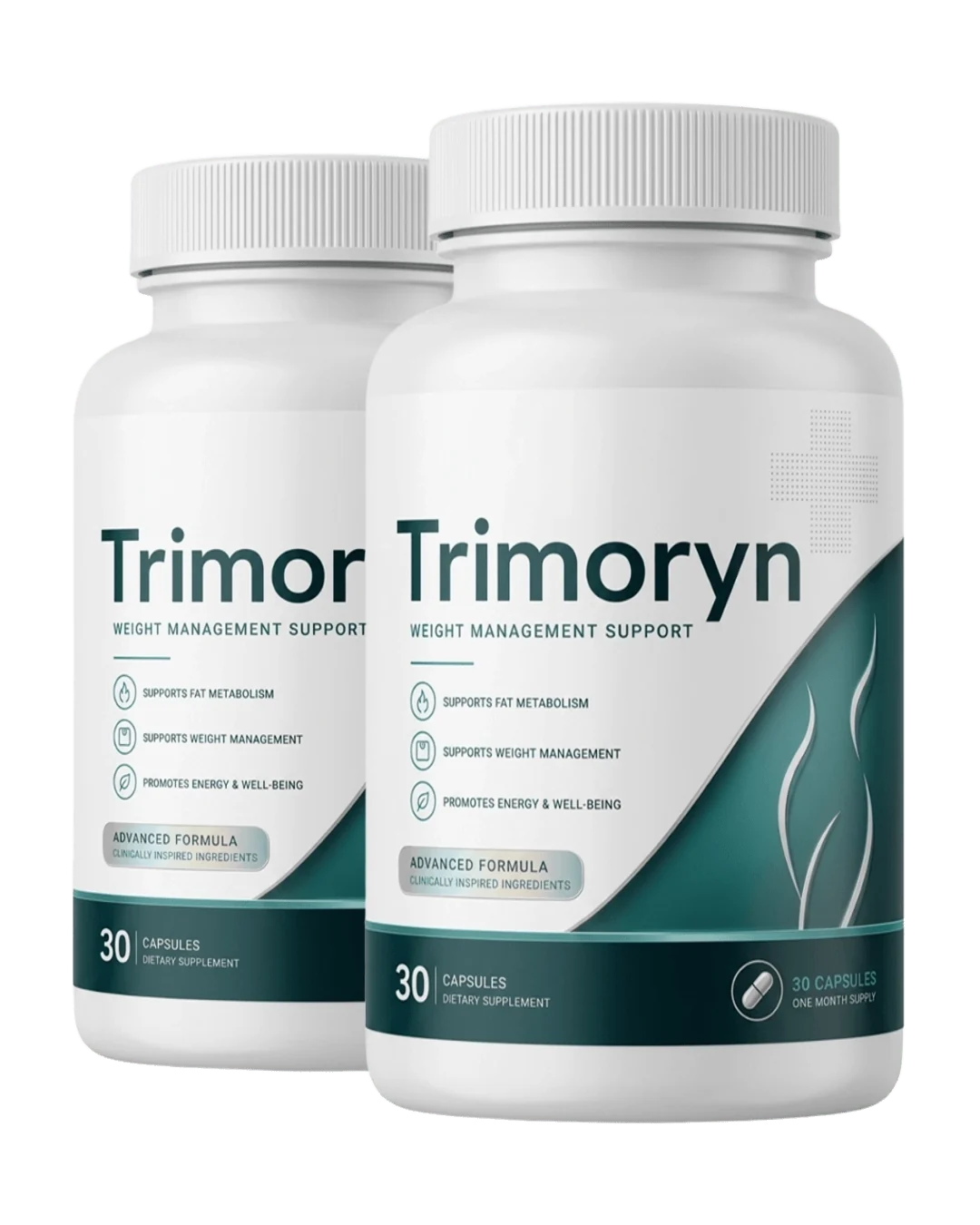
Before you spend money on any weight-loss product, it is worth understanding weight loss supplement side effects properly, because a little knowledge here does two useful things. It keeps you safe, and it stops you from quitting a reasonable product on day three over an effect you could have prevented. The good news is that for healthy adults, the side effects in this category are mostly mild, mostly digestive, and mostly avoidable with the right dose and a glass of water. The bad news is that "mostly" is not "always", and a few situations genuinely call for caution.
This guide covers the real side effects, the interactions that matter, who should steer clear of certain ingredients, and the simple habits that head off most problems. The aim is not to scare you off supplements, but to help you use them the way a careful person would, with eyes open.
The most common weight loss supplement side effects
Start with the everyday stuff, because it accounts for the overwhelming majority of complaints. The single most common weight loss supplement side effect is digestive upset, and it clusters around two ingredients that also happen to be among the most useful.
Berberine, the metabolic alkaloid found in many blends, commonly causes mild gastrointestinal complaints in the first week or two: cramping, loose stools, constipation or general stomach unease. This is dose-related and temporary. It is the body adjusting, not a sign of harm, and it almost always fades. The fix is not to abandon it but to start at a lower dose and build up, which we will come back to.
Fiber ingredients such as glucomannan cause a different, gentler kind of upset: bloating, gas or a feeling of fullness that some people find unfamiliar at first. Again, this typically settles within a couple of weeks as the gut adapts, and drinking enough water makes it far more comfortable. If you want the fuller picture of how this fiber compares with berberine and what each is for, our head-to-head on how glucomannan and berberine compare for appetite control lays it out.
Then there is a category to treat with more respect: stimulant-based "fat burners". Products built on high-dose caffeine or other stimulants can raise heart rate, cause jitteriness, anxiety, disrupted sleep and elevated blood pressure. These are not the same as a fiber-and-botanical formula, and they deserve more caution, particularly for anyone with a heart condition or a sensitivity to stimulants. One quiet advantage of a stimulant-free formula is simply that it sidesteps this entire list.
The glucomannan safety point you must not skip
Of everything in this article, one warning is non-negotiable, because it is the one with a genuinely serious mechanism rather than a mild-and-passing one. Glucomannan and other bulk-forming fibers expand dramatically when they meet water. That is exactly how they curb appetite, but it also means that if they expand before reaching the stomach, they can obstruct the throat or oesophagus. This is why glucomannan tablets carry an explicit choking and blockage warning.
The safe practice is simple and absolute: always take fiber capsules or tablets with a full glass of water, never dry, and never right before lying down. Anyone with difficulty swallowing, or with any known narrowing of the digestive tract, should avoid bulk-forming fiber supplements altogether unless a doctor says otherwise. Follow the water rule and glucomannan is one of the gentlest tools in the category; ignore it and you turn a mild appetite aid into a real hazard.
Interactions: when a supplement stops being a solo decision
This is the part people skip and shouldn't. Supplements are active compounds, and some interact with medicines in ways that matter. Berberine is the standout example. It can lower blood sugar, which sounds helpful until you remember that someone already taking a diabetes medication could stack the two effects and go too low. It can also influence the enzymes the body uses to process various drugs, which can change how much of a medicine ends up in your system. Neither of these is a reason for panic, but both are reasons to involve a pharmacist or doctor if you take anything regularly.
Fiber creates a subtler interaction. Because it slows digestion and can bind to things in the gut, taking a large fiber dose at the same moment as a medication can blunt or delay that medicine's absorption. The fix is easy: separate your fiber supplement from your medications by a couple of hours. It also underlines a point worth making plainly, that being sold without a prescription does not mean an ingredient is inert. Our explainer on what supplement regulation does and does not guarantee makes the wider case: regulation of this category is about labelling and safety-after-sale, not a promise that a product was tested for interactions before it reached you.
Prefer a stimulant-free, transparent formula?
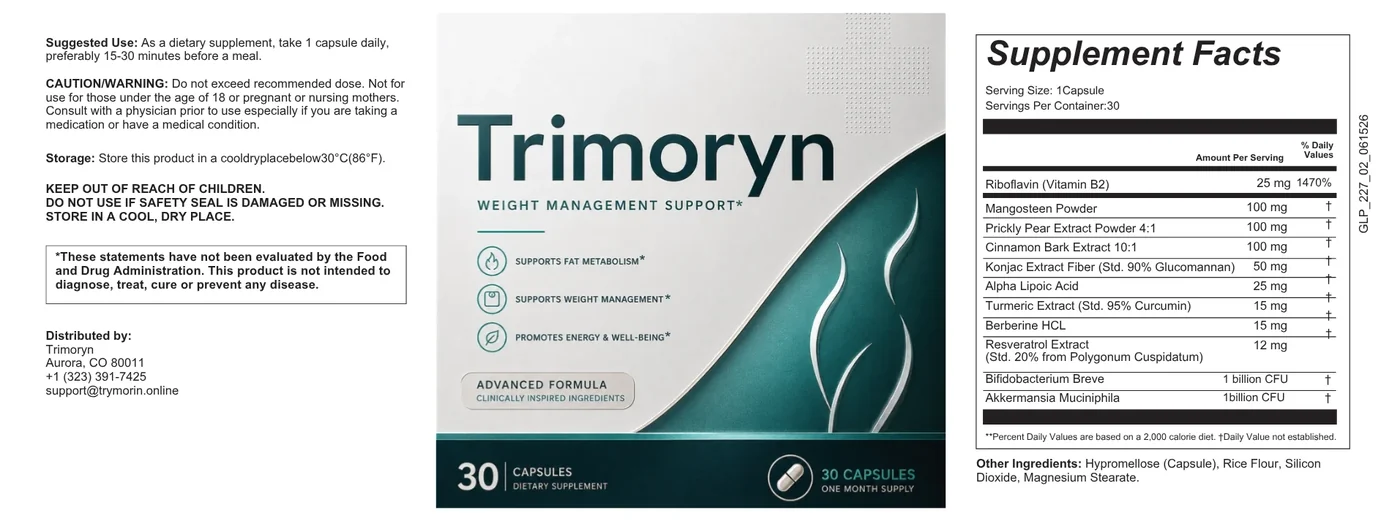
See the exact ingredient amounts, the full directions and warnings, current pricing and the money-back guarantee on the official Trimoryn page.
See the Official Trimoryn OfferWho should be cautious or avoid these ingredients
Most healthy adults tolerate a well-made, stimulant-free supplement without trouble. But some groups should either avoid them or only use them under medical guidance, and it is worth being specific.
| Group | Guidance | Why |
|---|---|---|
| Pregnant or breastfeeding | Avoid | Safety not established; berberine specifically discouraged |
| People on diabetes medication | Clinician first | Berberine can add to blood-sugar lowering |
| Heart conditions / on blood-pressure drugs | Clinician first; avoid stimulant burners | Stimulants can raise heart rate and pressure |
| Swallowing difficulty / GI narrowing | Avoid bulk fibers | Choking and blockage risk from glucomannan |
| Children and teenagers | Avoid unless advised | Not studied or intended for this group |
| History of disordered eating | Clinician first | Appetite suppression can reinforce harmful patterns |
If you recognise yourself on that list, it does not automatically mean the door is closed. It means the sensible next step is a short conversation with a clinician who knows your history, rather than a purchase made on the strength of an advert.
The safest weight-loss supplement is the one whose dose you build up slowly, whose label you actually read, and whose warnings you take literally.
How to minimise side effects: the simple playbook
Almost every avoidable problem in this category comes down to a handful of habits. Get these right and the mild side effects mostly disappear.
Start low and ramp up. With berberine especially, begin at a fraction of the target dose and increase over one to two weeks, always with food. This single habit prevents most of the early stomach upset, and the detailed schedule is in our guide to berberine dosage and a gradual, realistic timeline. Rushing to the full dose on day one is the most common self-inflicted mistake.
Respect the water rule. Take fiber with a full glass of water, every time, and stay well hydrated through the day. This handles both the safety issue and most of the bloating.
Give it two to four weeks. The body adapts. Judging a supplement on the first few days is judging it at its worst, before the gut has settled. Persistent or severe effects are a different matter and a reason to stop and seek advice, but ordinary early adjustment usually passes.
Read the label and keep the doses honest. More is not safer, and the amounts on the panel exist for a reason. If you want to verify a formula is dosed sensibly rather than dramatically, the Trimoryn ingredient panel and directions show the amounts and the usage instructions in full.
Medical note: this article is general safety information, not medical advice. Speak to a healthcare professional before starting any weight-loss supplement, especially if you are pregnant, nursing, taking medication, or managing a condition such as diabetes, heart disease or a digestive disorder.
Why honest side-effect information is a good sign, not a bad one
It can feel counterintuitive, but a product that talks openly about its side effects and warnings is usually more trustworthy than one that pretends it has none. A formula with nothing to disclose is either doing nothing or hiding something. Clear directions, an honest list of who should be cautious, and a genuine money-back guarantee are the marks of a seller that expects you to still be a customer in three months. That is the standard worth holding any weight-loss supplement to, and it is the reason we would rather flag a mild, manageable side effect up front than let it ambush you later and cost you your confidence in an otherwise reasonable product.
Related reading
Berberine for weight loss: dosage and timeline
How a gradual ramp-up prevents most of the early stomach upset.
A natural appetite suppressant that actually works
Gentle, stimulant-free appetite control and how to use it safely.
How supplements are regulated in the UK
Why 'regulated' does not mean tested for safety before sale.
Do weight loss pills actually work? An honest look
Realistic expectations for pills versus the habits that drive results.
Frequently asked questions
What are the most common weight loss supplement side effects?
The most common weight loss supplement side effects are digestive. Berberine often causes mild stomach upset, cramping or changes in bowel habits, particularly in the first week or two. Fiber ingredients like glucomannan can cause bloating or gas as your gut adjusts. Stimulant-based fat burners are a different category and can cause a raised heart rate, jitteriness and poor sleep. Most of the mild effects settle with lower starting doses and adequate water.
Can weight loss supplements interact with my medication?
Yes, some can, which is why this is not a decision to make alone if you take prescription drugs. Berberine in particular can lower blood sugar and may add to the effect of diabetes medicines, and it can influence how the body processes certain drugs. Fiber can slow the absorption of medication taken at the same time, so space them apart. Always show your supplement label to a pharmacist or doctor if you are on any regular medicine.
Who should not take appetite suppressants?
Appetite suppressants and weight-loss supplements are not for everyone. People who are pregnant or breastfeeding should avoid them, as should children and teenagers unless a doctor advises otherwise. Anyone managing diabetes, heart conditions, kidney or liver problems, or a history of disordered eating should speak to a clinician first. Glucomannan should be avoided by anyone with a swallowing difficulty or a narrowing of the digestive tract, because of the choking and blockage risk.
How do I minimize digestive side effects?
Start low and build up. Begin any berberine product at a fraction of the full dose and increase over a week or two, always taking it with food. Take glucomannan and other soluble fibers with a full glass of water and never dry, which both prevents the choking risk and eases bloating. Give a new supplement two to four weeks before judging it, stay well hydrated, and stop and seek advice if any effect is severe or persistent.
Scientific references
- NIH Office of Dietary Supplements — Dietary Supplements for Weight Loss
- NIH NCCIH — Dietary and Herbal Supplements
- U.S. FDA — Orlistat (Alli, Xenical) Information
- Mayo Clinic — Prescription weight-loss medicine
- Geller A.I. et al. — Emergency department visits for adverse events related to dietary supplements, New England Journal of Medicine (2015)

Read the directions before you order
Full ingredient amounts, directions and warnings, both gut strains, shipping options and the current Trimoryn price and guarantee are all on the official page.
Check Availability