Natural Appetite Suppressants That Actually Work in 2026
Quick Answer: Do Natural Appetite Suppressants Actually Work?
Yes, modestly, when you pick the ones with mechanisms behind them. A natural appetite suppressant works best when it changes the physics or hormones of hunger: soluble fibre such as glucomannan expands with water to slow gastric emptying, and protein raises satiety hormones like GLP-1 and PYY. Trimoryn builds on that fibre-first approach, but a calorie deficit still drives results.
- Fibre first: glucomannan swells with water and slows gastric emptying.
- Protein second: raises the satiety hormones GLP-1 and PYY.
- Safety note: take concentrated fibre as capsules or powder with water, never dry.
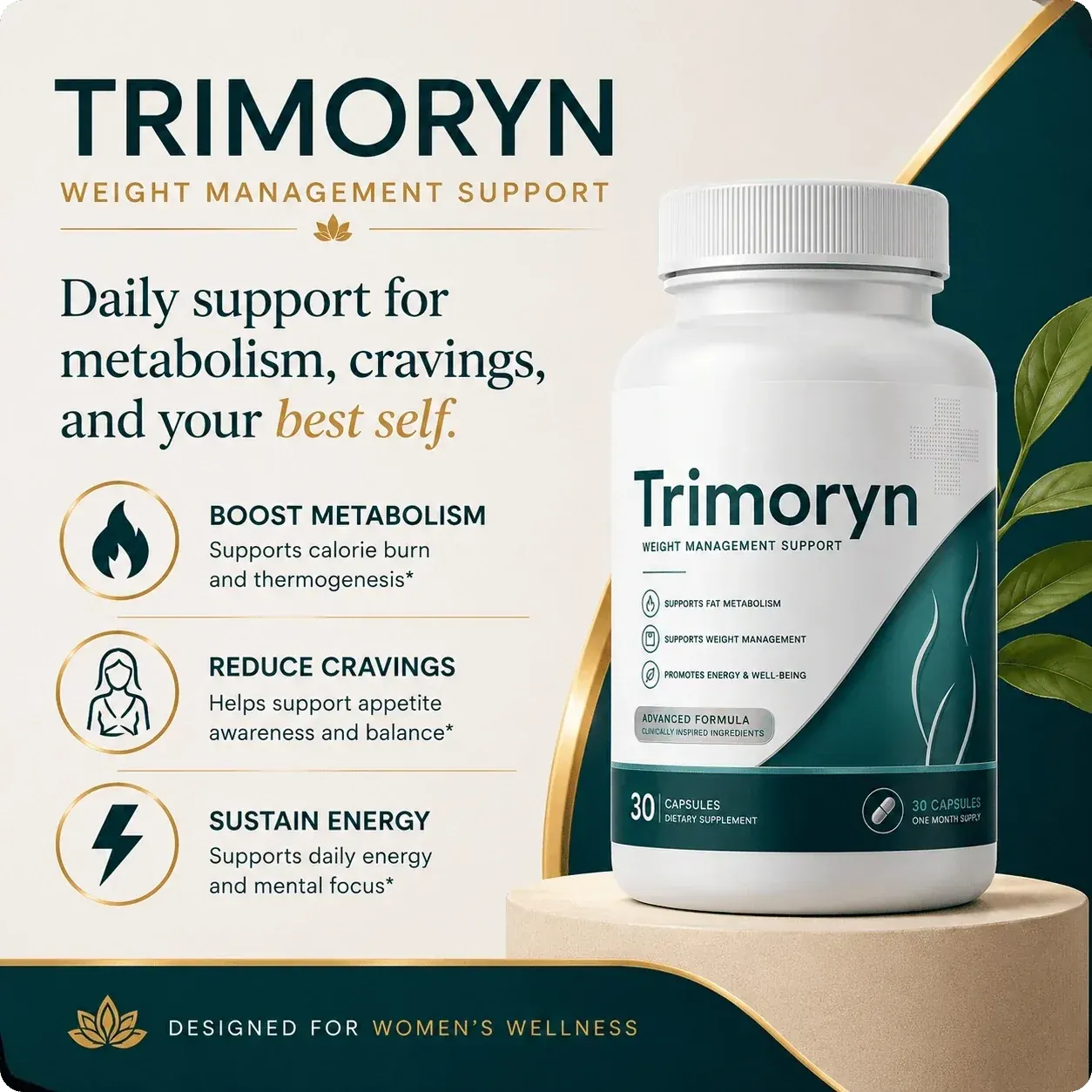
Every month around 27,000 people search for a natural appetite suppressant, usually after a stimulant fat burner left them wired and still hungry. The good news is that natural hunger control is real and well understood; the catch is that it is unglamorous. The tools that actually work — soluble fibre, protein, water volume and a few specific botanicals — do not produce a dramatic buzz, which is exactly why they keep working when the caffeine high wears off. This guide explains the mechanism behind each one, in plain language, and shows how a fibre-first formula like Trimoryn is meant to be used within that toolkit rather than instead of it.
Why a natural appetite suppressant works at all
Hunger is not a single switch; it is a conversation between your stomach, your gut hormones and your brain. A natural appetite suppressant works by changing one side of that conversation honestly, rather than shouting over it with a stimulant. There are three levers worth knowing, and everything credible in the category pulls on at least one of them: the mechanical fullness of a stretched stomach, the hormonal satiety signals released when you eat protein and fibre, and the simple volume of low-calorie food or water taking up space. Understand those three and you can evaluate any product on the shelf in about a minute.
What none of these levers do is override energy balance. They make a calorie deficit easier to live inside by reducing the constant tug of hunger, which is the real reason diets fail — not a lack of willpower but a biology that fights restriction. A good natural suppressant lowers the volume on that fight. It does not turn it off, and it does not burn fat directly. Keeping that distinction clear is the difference between a tool that helps and a purchase that disappoints.
Lever one: soluble fibre, the best-studied natural suppressant
Soluble fibre is the strongest natural lever, and glucomannan is its clearest example. Glucomannan is a soluble fibre extracted from konjac root that can absorb a remarkable amount of water, forming a thick gel in the stomach. That gel does two useful things: it physically expands to create fullness, and it slows gastric emptying so food leaves the stomach more gradually, which flattens the post-meal blood sugar curve and keeps hunger quieter for longer. European regulators found the satiety evidence strong enough to accept a claim — at three grams a day, taken as three one-gram doses with water before meals, within an energy-restricted diet.
There is an important safety point attached to fibre this powerful, and the US Food and Drug Administration has flagged it directly: glucomannan in tablet form has caused esophageal blockage, because a tablet can begin swelling before it is fully swallowed. The safer formats are capsules or powder taken with a full glass of water, so the gel forms in the stomach where it belongs and not in the throat. This is not a reason to avoid fibre; it is a reason to take it as directed, with water, and never dry.
Fibre is the most reliable natural appetite suppressant precisely because its mechanism is physical. A gel that fills the stomach and slows its emptying does not care about your willpower — it just works, provided it is dosed and taken correctly.
Lever two: protein and its satiety hormones
If fibre is the mechanical lever, protein is the hormonal one. When you eat protein, your gut releases satiety hormones — GLP-1 and PYY chief among them — that signal fullness to the brain and reduce the drive to eat again soon. Protein also has the highest thermic effect of the three macronutrients, meaning your body spends more energy digesting it, and it protects muscle while you are in a calorie deficit, which keeps your metabolic rate from sagging as you lose weight. No capsule reproduces this as efficiently as simply eating more protein at each meal.
This is why any honest guide to natural appetite control puts food before supplements. A breakfast built around eggs, yoghurt or a protein shake will out-suppress most pills through the morning, and it costs less. Supplements earn their place around that foundation, filling the gaps between meals or in the run-up to eating, not replacing the protein and vegetables on the plate.
Want the fibre lever without measuring powder?
If a pre-meal soluble-fibre routine sounds useful but weighing out konjac powder does not, see how a capsule-format formula prices out and exactly what its Supplement Facts panel contains.
See the Official Trimoryn OfferLever three: water volume and high-volume foods
The least glamorous lever is also the cheapest. Drinking water before a meal, and building meals around high-volume, low-calorie foods like vegetables, soups and fruit, uses the same stomach-stretch mechanism as fibre without any supplement at all. A large salad or a broth-based soup before the main course reliably reduces how much people eat afterwards. Fibre supplements are, in a sense, a concentrated and portable version of this same idea — but the food version is free and comes with vitamins attached, so it should never be crowded out by a capsule.
Certain botanicals sit on top of these three levers with smaller, supporting evidence. Caralluma Fimbriata has modest human data on appetite and waist circumference over about 60 days; green tea catechins have mild effects; cinnamon and other metabolic botanicals act more on blood sugar than on hunger directly. They are reasonable inclusions in a formula, but they are the garnish, not the meal. For a fuller ranking of these, our companion roundup of the best appetite suppressant supplements for 2026 tiers each ingredient by the strength of its evidence.
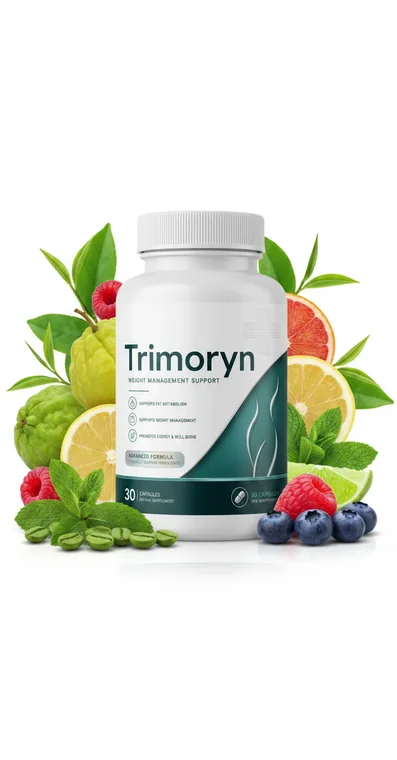
How Trimoryn's formula is meant to be used
Trimoryn is built around the strongest of these levers. Its base is konjac glucomannan fibre, standardised to 90% glucomannan, and the suggested use maps directly onto the satiety research: one capsule taken 15 to 30 minutes before a meal, with water, so the gel has time to form before you eat. Around that fibre core it adds metabolic botanicals — cinnamon bark and prickly pear at 100 mg each, alpha lipoic acid, turmeric, berberine and resveratrol — plus two named gut strains, Bifidobacterium breve and Akkermansia muciniphila, at one billion CFU each, aimed at the gut side of metabolism rather than at hunger directly.
The honest framing is that a single daily capsule is a supporting dose of fibre, not the full three-gram protocol the strongest satiety studies used, so it belongs alongside protein-rich meals, water and vegetables rather than in place of them. Used that way — as the pre-meal fibre nudge in a broader plan — it does the job it is designed for. Expecting it to suppress appetite while nothing else changes is the mistake that leaves people disappointed with the whole category. If you want to compare the two headline metabolic actives directly, our breakdown of glucomannan versus berberine for appetite control sets them side by side.
Building a natural appetite-control routine that lasts
Knowing the levers is one thing; turning them into a routine you keep is another, and the second is where results actually come from. Stack the levers rather than relying on one. A practical day might look like this: a protein-forward breakfast to set satiety hormones early, a large glass of water before lunch and dinner, a pre-meal soluble-fibre dose taken with more water 15 to 30 minutes ahead, and meals built on a base of vegetables so volume does part of the work for free. None of these steps is dramatic on its own; together they meaningfully lower the average pull of hunger across a day, which is exactly what makes a calorie deficit sustainable rather than a daily battle of willpower.
Introduce fibre gradually rather than all at once, because the gut microbiome needs a week or two to adjust and rushing it is what produces the bloating that scares people off. Increase your intake step by step, keep water high throughout, and give any new routine three weeks before you judge it — long enough for both your digestion and your appetite to settle into the new normal. The people who succeed with natural appetite control are rarely the ones who found a secret ingredient; they are the ones who made a few unglamorous habits automatic and then left them alone.
Two objections worth answering honestly
“Natural just means weak.” Not quite. Natural fibre and protein are weaker than a prescription appetite drug, yes, but they are also far gentler, sustainable for years, and free of the rebound that follows stimulant crashes. For most people trying to eat a little less without feeling wired, that trade is the right one. The realistic goal is a quieter appetite that makes a calorie deficit livable, not the total appetite shutdown a medication produces.
“If it worked, I would not still be hungry.” A natural suppressant reduces hunger; it does not delete it, and it never should. Some hunger before meals is normal and healthy. The measure of success is not zero appetite but a smaller, more manageable pull — enough that you finish a sensible portion satisfied instead of ravenous. If you want the wider context of whether these products earn their keep at all, our honest look at whether weight loss pills actually work is the piece to read next.
Medical note: this article is general information, not medical advice. Take concentrated fibre with plenty of water and never dry, and speak to a healthcare professional before starting any supplement, especially if you are pregnant, nursing, taking medication or managing a health condition.
Related reading
Frequently asked questions
Which natural ingredients suppress appetite the most?
Soluble fibre is the strongest single lever, with glucomannan the best studied: it swells with water and slows how fast the stomach empties, which blunts hunger between meals. Protein is the next most reliable, raising satiety hormones such as GLP-1 and PYY. Water-rich, high-volume foods and certain botanicals like Caralluma Fimbriata add smaller effects. Combined with a calorie deficit, these work together rather than any one being magic.
How much fibre do I need to feel full between meals?
Most adults fall short of the recommended 25 to 30 grams of fibre a day, and closing that gap is what usually improves fullness. For glucomannan specifically, European regulators accepted a satiety-related claim at three grams daily, split into three one-gram doses taken with water before meals within an energy-restricted diet. Food sources such as oats, beans, lentils and vegetables remain the most efficient way to reach those grams.
Can natural appetite suppressants cause bloating?
Yes, especially fibre-based ones in the first week or two. As gut bacteria adjust to more fermentable fibre, wind, bloating and looser stools are common and usually settle. Increasing fibre gradually, drinking plenty of water and taking any concentrated fibre exactly as directed reduces the effect. Persistent or severe bloating is a reason to stop and speak to a healthcare professional.
How long before a natural suppressant reduces cravings?
Fibre-based fullness can be noticeable from the first properly dosed, pre-meal serving taken with water, though the steadier effect on cravings builds over one to three weeks as meals and routine settle around it. Protein's satiety effect is immediate at each meal. None of these are instant switches; they work best as consistent daily habits alongside a calorie deficit.
Scientific references
- NIH Office of Dietary Supplements — Dietary Supplements for Weight Loss
- Harvard T.H. Chan School of Public Health — Fiber
- US FDA — guidance on glucomannan and choking/blockage risk in tablet form
- Kohanmoo A. et al. — Effect of short- and long-term protein consumption on appetite and appetite-regulating gastrointestinal hormones: a systematic review and meta-analysis of randomized controlled trials, Physiology & Behavior (2020)
- Mayo Clinic — Dietary fiber: Essential for a healthy diet

See the fibre-first Trimoryn formula
Konjac glucomannan fibre with metabolic botanicals and two named gut strains, taken before meals — every amount printed, with the current price and guarantee on the official page.
Check Availability & Price