How Long Does an Appetite Suppressant Take to Work?
Quick Answer: How Long Does an Appetite Suppressant Take to Work?
A fiber-based appetite suppressant can be felt at the first meal, because soluble fiber absorbs water and expands in the stomach within about an hour. Metabolic ingredients such as berberine work slowly and are studied over eight to twelve weeks, and clinicians often look for a 5% body-weight change by three months. In short, hunger control is fast, weight change is gradual, and consistency decides both.
- First meal: physical fullness from fiber expanding with water, felt within an hour.
- Weeks 8–12: the window in which metabolic ingredients have been researched.
- Three months: a 5% loss of body weight is a common benchmark for “working”.

If you have just started a supplement and you are already asking how long an appetite suppressant takes to work, you are asking the single most useful question in weight management — because the wrong expectation is what makes most people quit in week two, right before the slower part of the formula has had any chance to do its job. The honest answer has two speeds. The appetite side can arrive at your very next meal. The weight side is measured in weeks and months. Knowing which is which keeps you from throwing away a product that was, in fact, working exactly as designed.
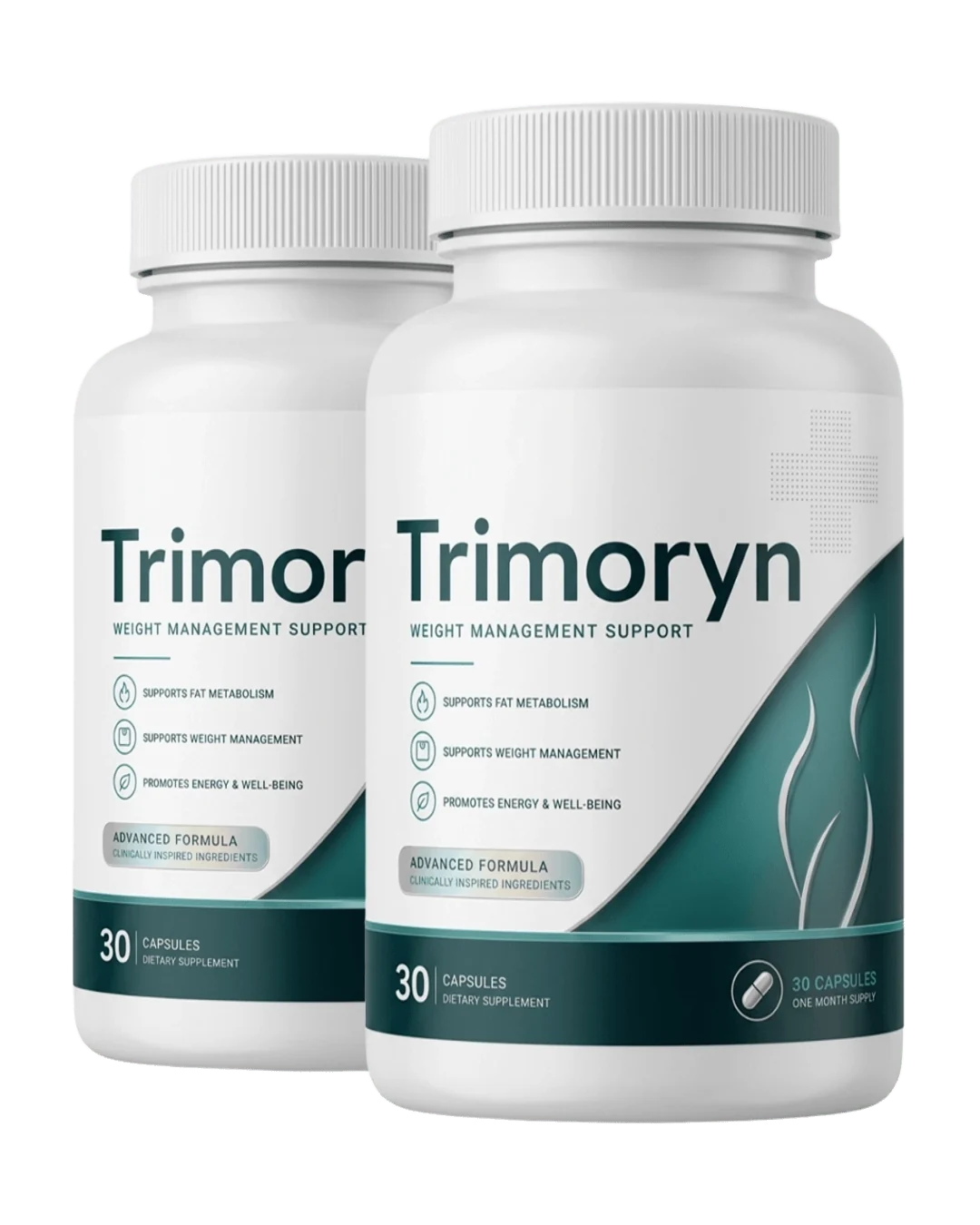
That split is not a marketing hedge. It comes straight from how the ingredients behave in the body. A suppressant built around soluble fiber and metabolic support — the shape of the Trimoryn weight-management formula covered on this site — does two different things on two different clocks, and this article walks through both so you can judge results at the right moment instead of the impatient one.
What “working” actually means for an appetite suppressant
Before timing anything, it helps to separate two effects people lump together. The first is satiety: feeling full sooner and staying full longer, so you reach for less food and fewer snacks. The second is weight change: the scale moving down over time. They are related, but they are not the same measurement and they do not run on the same timeline. You can feel the first within a day and still see nothing on the scale for weeks, and that is normal, not failure.
Appetite suppression is the mechanism. Weight change is the outcome, and it only follows if the reduced appetite actually translates into a smaller calorie intake that your body then draws on. A suppressant makes eating less easier; it does not eat less for you. That is why every credible source, including the assessments published by the US National Institutes of Health, frames these products as support tools alongside a calorie-controlled diet and activity, never as a substitute for them.
The realistic timeline, stage by stage
Here is the sequence most people experience with a fiber-plus-metabolic formula, taken consistently and with enough water.
Hour one to day one — physical fullness. Soluble fibers such as glucomannan absorb many times their weight in water and form a gel in the stomach. Taken before a meal with a full glass of water, that gel adds volume, which the stretch receptors in your stomach read as fullness. Many people notice they finish a normal plate feeling satisfied, or lose interest in the mid-afternoon snack, on the first day. This is the fast effect.
Week one to two — consistency and routine. The first-meal effect is real but it is easy to miss when it is new and easy to sabotage with poor timing or too little water. Over the first one to two weeks, as you settle into taking it before the same meals each day, the appetite effect becomes steadier and more predictable. Nothing new is happening biologically; you are simply removing the variables that blunt it.
Week four to six — early metabolic groundwork. Ingredients like berberine, cinnamon bark and alpha lipoic acid act on how your body handles glucose and energy, and their effects build quietly. You will not feel these the way you feel fullness. Around this point, people who have kept a modest calorie deficit often see the first small, believable movement on the scale — the kind that is easy to dismiss but is exactly what steady progress looks like.
Week eight to twelve — the judgement window. This is the range in which the metabolic ingredients in most formulas have actually been studied, and it is the earliest point at which it is fair to decide whether the product is helping you. Judging a berberine-containing supplement at three weeks is like leaving a cake half-baked and declaring the recipe broken.
Three months — the clinical benchmark. When clinicians assess whether any weight intervention is worth continuing, a common rule of thumb is a 5% loss of starting body weight by roughly three months. For a 90 kg person that is about 4.5 kg. It sounds unglamorous next to the numbers on a sales page, but 5% is the figure associated with genuine metabolic benefit, and it is a realistic, honest target for a supplement used the right way.
Ready to start the clock the right way?
Dosing instructions, the full ingredient panel and the money-back guarantee window are all on the official page — everything you need to set a fair timeline before you begin.
See the Official Trimoryn OfferWhy fiber-based suppression can be felt at the first meal
The speed of the appetite effect is not a subjective placebo story; it is mechanical. Glucomannan, the soluble fiber most associated with satiety research, is highly viscous and holds a large volume of water. Swallowed before eating with adequate liquid, it swells into a soft gel that occupies space and slows how fast the stomach empties. Slower emptying means the fullness signal lasts into the next hours rather than fading minutes after your last bite.
Two conditions decide whether you feel it. The first is water: fiber that cannot absorb liquid cannot expand, so a suppressant taken with a sip does far less than one taken with a full glass. The second is timing: the gel needs a little lead time, which is why taking it fifteen to thirty minutes before a meal tends to beat taking it with the last forkful. Get those two right and the first-meal effect is close to reliable; get them wrong and you may wrongly conclude nothing is happening.

Why the metabolic side takes eight to twelve weeks
The slower half of the timeline frustrates people because it is invisible. Metabolic ingredients do not announce themselves with a feeling. Berberine, the most-studied metabolic component in this category, has been trialled over spans of roughly eight to twelve weeks and longer, acting through pathways that influence glucose handling and energy use rather than producing an immediate sensation. There is no dramatic day-one signal to reassure you, which is precisely why the eight-to-twelve-week expectation matters so much: it stops you quitting during the exact stretch when the groundwork is being laid.
It is also why honesty about magnitude belongs here. The evidence for metabolic supplement ingredients is modest, and it is strongest when the supplement supports a calorie-controlled diet rather than standing in for one. We cover the specific research, including where it stops, in our deeper look at what the berberine and Akkermansia weight-management evidence actually shows. The short version: expect steady, believable help, not a transformation on its own.
Appetite control is the fast half of the timeline and weight change is the slow half. Quit during the slow half and you never find out whether the fast half was leading anywhere.
Myth check: “it stopped working after a few weeks”
This is the most common complaint, and it is usually a misread. Three things tend to be happening at once. First, habituation of perception: the early appetite change felt striking because it was new; a few weeks later that same fullness is simply how your days feel now, so you notice it less even though it is still there. Second, drift in habits: doses get skipped, water intake falls, portions quietly creep back up as the initial motivation cools. Third, a genuine plateau: as you lose weight your body needs slightly fewer calories, so the same intake that once produced a deficit no longer does.
None of those means the product failed. The fix is not a new bottle; it is a return to the basics that produced the early result — consistent timing, a full glass of water, honest portion awareness, and patience through the plateau. Before you conclude an appetite suppressant has stopped working, it is worth checking whether it is the suppressant that changed or the routine around it. Life stage changes that routine as well, which is why appetite management after menopause carries its own considerations, covered in supplement choices for women over fifty.
Should you take it before or after meals?
For a fiber-forward suppressant, before almost always beats after. Taking it roughly fifteen to thirty minutes ahead of your largest meals, with a full glass of water, gives the fiber time to absorb liquid and expand so the fullness is in place as you start eating. Taken after a meal, the gel forms in an already-full stomach and much of the pre-meal advantage is lost.
Two non-negotiables apply regardless of brand. Follow the exact dose printed on your own label rather than a number from an article, and never dry-swallow bulking fiber — always take it with plenty of water, because fiber that expands in the throat or oesophagus instead of the stomach is a genuine hazard. Beyond that, the single most powerful lever is not the exact minute you take it but taking it at the same time, around the same meals, every day. The rest of that routine — water, missed doses and what not to take it alongside — is set out in how to take a weight loss supplement.
How to tell whether it is working for you
Set two checkpoints before you start, so you are measuring against a plan instead of a mood. The first checkpoint is at one to two weeks, and the only question is about appetite: are you fuller sooner, snacking less, finishing smaller portions comfortably? If yes, the fast half is doing its job. The second checkpoint is at eight to twelve weeks, and the question is about the scale and the tape measure, judged against that 5%-by-three-months benchmark rather than against a fantasy number.
Track a few honest inputs alongside the outputs: doses taken, water intake, rough portion sizes, activity. If the outcomes lag but the inputs are inconsistent, the timeline has not failed — it has not been given a fair run. If the inputs are solid and you have reached the judgement window with little to show, that is real information too, and a good moment to reassess. Either way, you are deciding on evidence at the right time, which is the entire point of understanding the timeline before you begin.
Medical note: this article is general information about expectations and timing, not medical advice. Speak to a healthcare professional before starting any supplement, especially if you are pregnant, nursing, taking medication or managing a health condition, and always take bulking fiber with plenty of water.
Related reading
What Makes a Natural Appetite Suppressant That Actually Works
The fibers and plant extracts with real satiety evidence, and the doses that matter.
Berberine for Weight Loss: Dosage and Realistic Timeline
How much, how often, and why the studied window runs eight to twelve weeks.
Do Weight Loss Pills Actually Work?
An honest, skeptic-friendly look at what supplements can and cannot do.
Trimoryn Reviews: Does It Really Work?
The formula rationale, the evidence, and the eight-to-twelve-week expectation.
Frequently asked questions
When will I start feeling less hungry?
With a fiber-based appetite suppressant, many people notice a fuller, less snack-prone feeling at the very first meal they take it with, because soluble fiber like glucomannan absorbs water and expands in the stomach within roughly an hour. That first-meal effect is physical fullness, not a metabolic change. It tends to become more consistent over the first one to two weeks as dosing and timing settle into a routine, rather than arriving all at once.
How long until I see weight change on a supplement?
Give it eight to twelve weeks before you judge weight change, which is the window in which the metabolic ingredients in most formulas, such as berberine, have been studied. Clinicians commonly treat a 5% loss of body weight by three months as a meaningful signal. A supplement only supports a calorie-controlled diet and activity; it does not create the deficit for you, so the honest timeline depends far more on consistency than on any single ingredient.
Why did my appetite suppressant stop working?
Usually it did not stop working; the novelty of the early appetite change faded and became your new normal, so you notice it less. Missing doses, taking fiber with too little water, larger portions creeping back, or a plateau as your body adjusts to a lower weight can all blunt the effect. Return to consistent timing, full water intake and honest portion tracking before concluding the product itself has failed.
Should I take it before or after meals?
Fiber-based suppressants generally work best taken shortly before a meal, typically fifteen to thirty minutes ahead with a full glass of water, so the fiber has time to absorb liquid and expand before you eat. Always follow the dose on your own label, take it with enough water, and never dry-swallow bulking fiber. Consistent timing around the same meals each day matters more than the exact minute you take it.
Scientific references
- NIH Office of Dietary Supplements — Dietary Supplements for Weight Loss
- NIH Office of Dietary Supplements — Fact sheets on glucomannan, berberine and other ingredients
- NIH NCCIH — Dietary and Herbal Supplements
- Mayo Clinic — Weight loss: 6 strategies for success
- Mah E. et al. — The effect of extracted and isolated fibers on appetite and energy intake: a comprehensive review of human intervention studies, Appetite (2023)
Give the timeline a fair run
Most people quit before the metabolic half has had a chance. Start with the dosing and guarantee details in front of you, and judge results at the right moment.
Check Availability