Best Appetite Suppressant Supplements for 2026: What Actually Works
Quick Answer: What Is the Best Appetite Suppressant for 2026?
The best appetite suppressant supplements in 2026 lean on soluble fibre, not stimulants. Glucomannan leads the evidence, with protein, green tea and Caralluma Fimbriata adding modest support. Trimoryn packages konjac glucomannan with metabolic botanicals and two gut strains as a non-stimulant option. No pill, though, replaces a calorie deficit and regular activity.
- Strongest lever: soluble fibre like glucomannan, taken with water before meals.
- Supporting cast: protein, green tea catechins and Caralluma Fimbriata — modest, not magic.
- Non-negotiable: a calorie deficit still does the real work.
Search “appetite suppressant” and you join roughly 74,000 people doing the same thing every month, most of them looking for one clean answer to a messy question: which supplement will make hunger quieter so a diet finally sticks? The honest reply is that a handful of ingredients genuinely earn the label, a much larger pile of products borrow it, and none of them are magic. This guide sorts the real appetite suppressant options for 2026 from the marketing, explains the evidence in plain terms, and shows where a fibre-first formula like Trimoryn fits — without pretending any capsule out-argues a calorie deficit.
What actually earns the “appetite suppressant” label in 2026
An appetite suppressant, in the useful sense, is anything that reliably reduces how much you want to eat between or during meals through a mechanism you can point to. That framing matters, because it immediately separates two very different groups of products. On one side sit ingredients that change the physics or the hormones of hunger: soluble fibre that expands in the stomach, protein that shifts satiety signalling. On the other side sit stimulants that mask hunger with caffeine and adrenaline, which is a real effect but a blunt and short-lived one with a cost attached.
The best-evidenced suppressants share a boring trait: their mechanism is mechanical or hormonal, not a stimulant high. Fibre works because water-swollen gel slows gastric emptying, so your stomach stays fuller for longer and blood sugar rises more gently after a meal. Protein works because it drives the release of satiety hormones and takes more energy to digest. Neither produces a dramatic overnight result, which is precisely why they hold up in trials while stimulant-heavy “fat burners” tend to disappoint once the caffeine tolerance builds.
The shortlist: what reviewers actually rate
Cut through the noise and the ingredients that repeatedly survive scrutiny are few. Here is the honest tier list, strongest evidence first.
Glucomannan — the one with the best paper trail
Glucomannan is a soluble fibre from the root of the konjac plant, and it is the closest thing the category has to a genuinely studied appetite suppressant. It absorbs many times its weight in water, forming a viscous gel that expands in the stomach and slows how quickly it empties. In a frequently cited 2007 randomised controlled trial, glucomannan taken before meals was associated with reduced appetite and lower overall calorie intake, and reviews suggest it produces a noticeable fullness effect in roughly 70% of users. European regulators went as far as accepting a satiety-related claim for glucomannan — but only at three grams a day, split into three one-gram doses taken with water before meals, and specifically within an energy-restricted diet. That dose detail is the part most product pages quietly skip.
Caralluma Fimbriata — the botanical with modest human data
Caralluma Fimbriata is a succulent used traditionally as a famine food and appetite curber. It has a small but real body of human research: in controlled studies over about 60 days, it was associated with reduced waist circumference and some measures of appetite compared with placebo. The effect sizes are modest and the trials are not large, so it belongs firmly in the “supporting cast” tier rather than the headline. It is a reasonable ingredient to see on a label; it is not a reason to expect dramatic results on its own.
Green tea and protein — the everyday levers
Green tea catechins, usually alongside a little caffeine, have mild effects on metabolic rate and appetite that are real but small and easy to oversell. Protein is arguably the most reliable appetite tool of all and it is not a supplement at all: raising the protein content of meals increases satiety hormones such as GLP-1 and PYY, blunts hunger between meals, and helps preserve muscle while you lose fat. Any serious appetite-control plan uses protein first and supplements second, not the other way around.
| Ingredient | What reviewers rate it for | Honest verdict |
|---|---|---|
| Glucomannan | Fullness, slower gastric emptying, lower calorie intake | Best evidence — but needs a real dose with water |
| Caralluma Fimbriata | Reduced waist circumference over ~60 days | Modest, small trials, supporting role |
| Green tea catechins | Small metabolic and appetite effects | Mild; frequently overstated |
| Protein (food-based) | Satiety hormones, fullness, muscle retention | Reliable — use it before any pill |
| Stimulant fat burners | Short-term hunger masking | Blunt, tolerance builds, real cautions |
Want a non-stimulant option built around fibre?
If the shortlist above matches what you were hoping to buy, see how a fibre-first formula prices out and what the full Supplement Facts panel actually contains before you decide.
See the Official Trimoryn OfferWhere Trimoryn fits a fiber-plus-metabolic approach
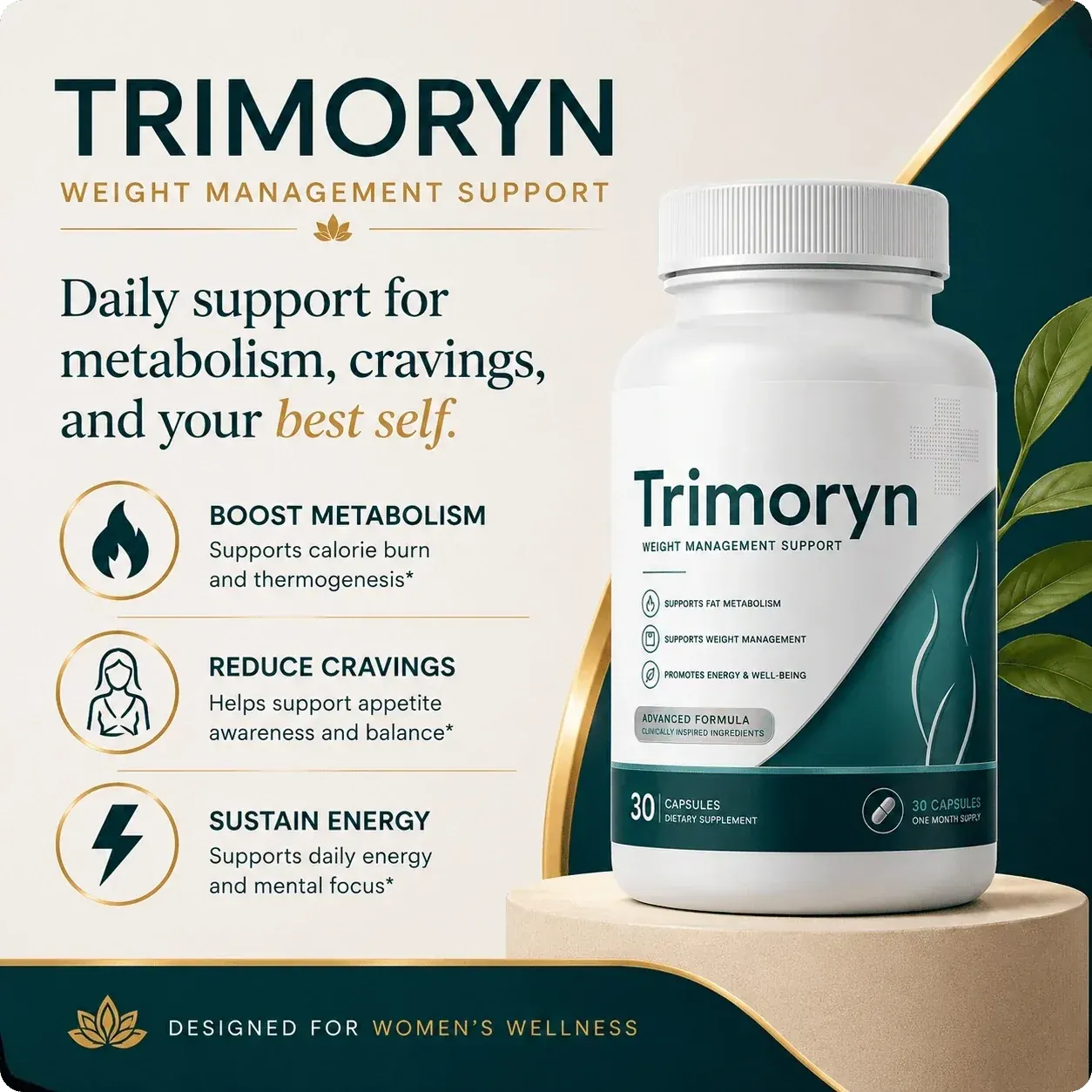
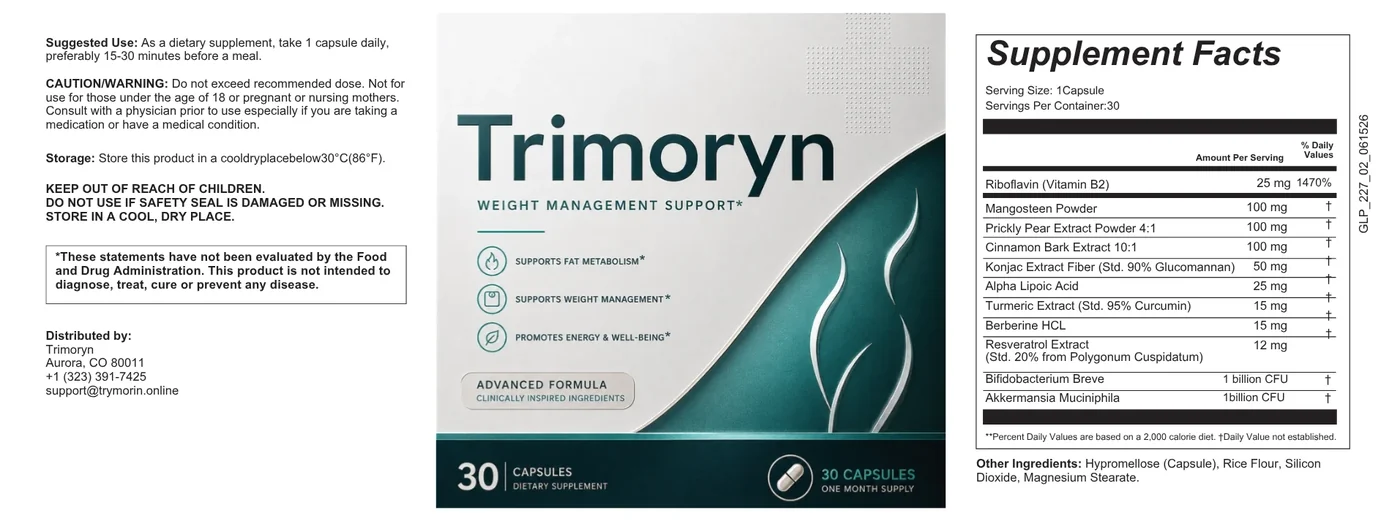
Trimoryn is deliberately built on the strongest lever in the list above rather than on stimulants. Its base is konjac glucomannan fibre, standardised to 90% glucomannan, taken as one capsule 15 to 30 minutes before a meal — the same pre-meal timing the satiety research uses. Around that fibre core it layers metabolic botanicals (cinnamon bark and prickly pear at 100 mg each, alpha lipoic acid, turmeric, berberine and resveratrol) plus two named gut strains, Bifidobacterium breve and Akkermansia muciniphila, at one billion CFU each. The logic is a fibre-plus-metabolic stack: use fibre for fullness, and add small metabolic nudges alongside diet.
Here is the honesty that separates a useful guide from a sales page. A single daily capsule does not deliver the full three-gram glucomannan dose the strongest satiety studies used, and its botanical amounts are supporting inclusions rather than trial-sized doses. That is normal for a broad daily formula, and it is exactly why the pre-meal timing, a glass of water and a genuine calorie deficit matter more than the label alone. If you want the deeper evidence on the metabolic side, our companion review of what the berberine and Akkermansia research actually shows walks through the trial data and the doses behind it.
Three appetite-suppressant myths worth retiring
Myth one: a suppressant melts fat. It does not. Even the best appetite suppressant only changes how hungry you feel; it is the resulting calorie deficit that changes body weight. A pill that dulls hunger but sits next to unchanged eating habits will do very little. This is the single biggest reason people feel let down by the category — they bought a fullness aid and expected a fat-loss drug.
Myth two: stimulant means stronger. Caffeine-loaded fat burners feel powerful because you can feel them, but that jittery push is not the same as effective appetite control, and tolerance blunts it within weeks while the effect on sleep, blood pressure and heart rate persists. A quieter, non-stimulant fibre approach often outperforms it over a month precisely because it keeps working and does not wreck your sleep. For a fuller look at tolerability, our guide to weight loss supplement side effects and safety lays out what to watch for.
Myth three: more ingredients means a better product. A label with twenty actives hidden inside a proprietary blend is usually weaker, not stronger, than one that names a few ingredients with amounts you can check. The number that matters is milligrams you can verify against research, not the length of the list.
What the honest evidence base actually says
Step back from any single ingredient and the pattern across the research is consistent and worth internalising before you spend a penny. The bodies that review this category dispassionately — the US National Institutes of Health chief among them — reach the same measured conclusion every time: individual weight-loss and appetite supplements produce small effects at best, the trials behind them are often short and modest in size, and a calorie-controlled diet plus physical activity remains the only intervention that reliably moves body weight. That is not a reason to dismiss appetite suppressants; it is the frame that makes them useful. A tool that shaves a few hundred calories off your daily intake by keeping hunger quieter is genuinely valuable when it sits inside a plan, and genuinely useless when it is expected to be the plan.
This is also why the strongest buyer-intent question is not “which suppressant is most powerful” but “which one will I actually take, correctly, for long enough to matter”. A three-gram pre-meal fibre routine you abandon after four days beats nothing, but it loses to a smaller, more convenient dose you keep taking for three months. Adherence is the hidden variable behind every success story in this category, and it is the reason format, timing and tolerability deserve as much weight in your decision as the headline ingredient.
How to actually choose an appetite suppressant in 2026
Run any candidate through four quick checks. First, is the mechanism real — fibre, protein, a studied botanical — or is it just caffeine wearing a new name? Second, is the dose printed and does it resemble the research, or is the active buried in a blend? Third, is the timing workable for you, since pre-meal fibre only helps if you actually take it before meals with water? Fourth, does the seller make honest support-style claims, or does it promise numbers and use disease language? A product that passes all four is worth trying; one that fails the first two is selling hope.
Two practical notes close the loop. Concentrated fibre must always be taken with a full glass of water and never dry, because the whole point — a gel that expands — is a hazard in the throat if it swells before it reaches the stomach. And appetite control is a tool for adherence, not a substitute for the plan. If you want the deeper mechanistic version of this shortlist, read our companion piece on the natural appetite suppressants that actually work, which unpacks fibre, protein and water volume ingredient by ingredient.
Medical note: this article is general information, not medical advice. Speak to a healthcare professional before starting any supplement, especially if you are pregnant, nursing, taking medication or managing a health condition — berberine in particular interacts with several drugs and can lower blood sugar.
Related reading
Frequently asked questions
What is the best natural appetite suppressant that actually works?
Fibre leads the evidence. Glucomannan, a soluble fibre from konjac root, is the most consistently studied natural appetite suppressant: it absorbs water, expands in the stomach and slows gastric emptying, and a randomised cross-over trial of gelled konjac glucomannan linked it to reduced appetite and lower energy intake. Protein, green tea catechins and Caralluma Fimbriata add smaller, supporting effects. None of them override a calorie deficit.
Are over-the-counter appetite suppressants safe to take daily?
Most fibre- and food-based suppressants are well tolerated day to day, though concentrated fibre must be taken with plenty of water to avoid choking or blockage, and it can cause wind or bloating at first. Stimulant fat burners are a different category, with caffeine loads that can affect sleep, blood pressure and heart rate. Anyone on medication or with a health condition should check with a doctor or pharmacist before daily use.
How is Trimoryn different from stimulant fat burners?
Trimoryn is a non-stimulant, fibre-plus-metabolic formula rather than a caffeine-driven fat burner. It pairs konjac glucomannan fibre with metabolic botanicals and two gut strains, and it is designed to be taken before a meal to support fullness, not to spike energy or heart rate. That makes it gentler for people who react badly to stimulants, but it also means it works gradually alongside diet rather than producing a jittery push.
Do appetite suppressants work without dieting?
Not in any meaningful way. Appetite suppressants can make a calorie-controlled diet easier to stick to by dulling hunger between meals, but they do not create weight loss on their own. Every credible review, including the US National Institutes of Health, concludes that a calorie deficit and physical activity are what actually drive weight change. Treat suppressants as support for that, not a replacement.
Scientific references
- NIH Office of Dietary Supplements — Dietary Supplements for Weight Loss
- NIH NCCIH — Weight Loss and Dietary Supplements: What You Need To Know
- Au-Yeung F. et al. — The effects of gelled konjac glucomannan fibre on appetite and energy intake in healthy individuals: a randomised cross-over trial, British Journal of Nutrition (2018)
- Kuriyan R. et al. — Effect of Caralluma fimbriata extract on appetite, food intake and anthropometry in adult Indian men and women, Appetite (2007)
- Harvard T.H. Chan School of Public Health — Fiber
Check the current Trimoryn offer
Konjac glucomannan fibre, metabolic botanicals and two named gut strains — every amount printed, with the latest Trimoryn price and money-back guarantee on the official page.
Check Availability & Price