Glucomannan vs Berberine for Appetite Control: Which Does What
Quick Answer: Glucomannan vs Berberine, Which Controls Appetite?
Glucomannan is a soluble fiber that physically fills the stomach and curbs how much you eat at the meal itself, so it acts fastest on appetite. Berberine is an alkaloid that works deeper, activating the AMPK enzyme and improving insulin sensitivity over weeks. They target different mechanisms, so many formulas combine both rather than choosing.
- Glucomannan: a physical fiber that curbs intake at the mouth; helps roughly 70% of users feel fuller.
- Berberine: activates AMPK and improves insulin sensitivity; needs over 1 g/day for 8+ weeks.
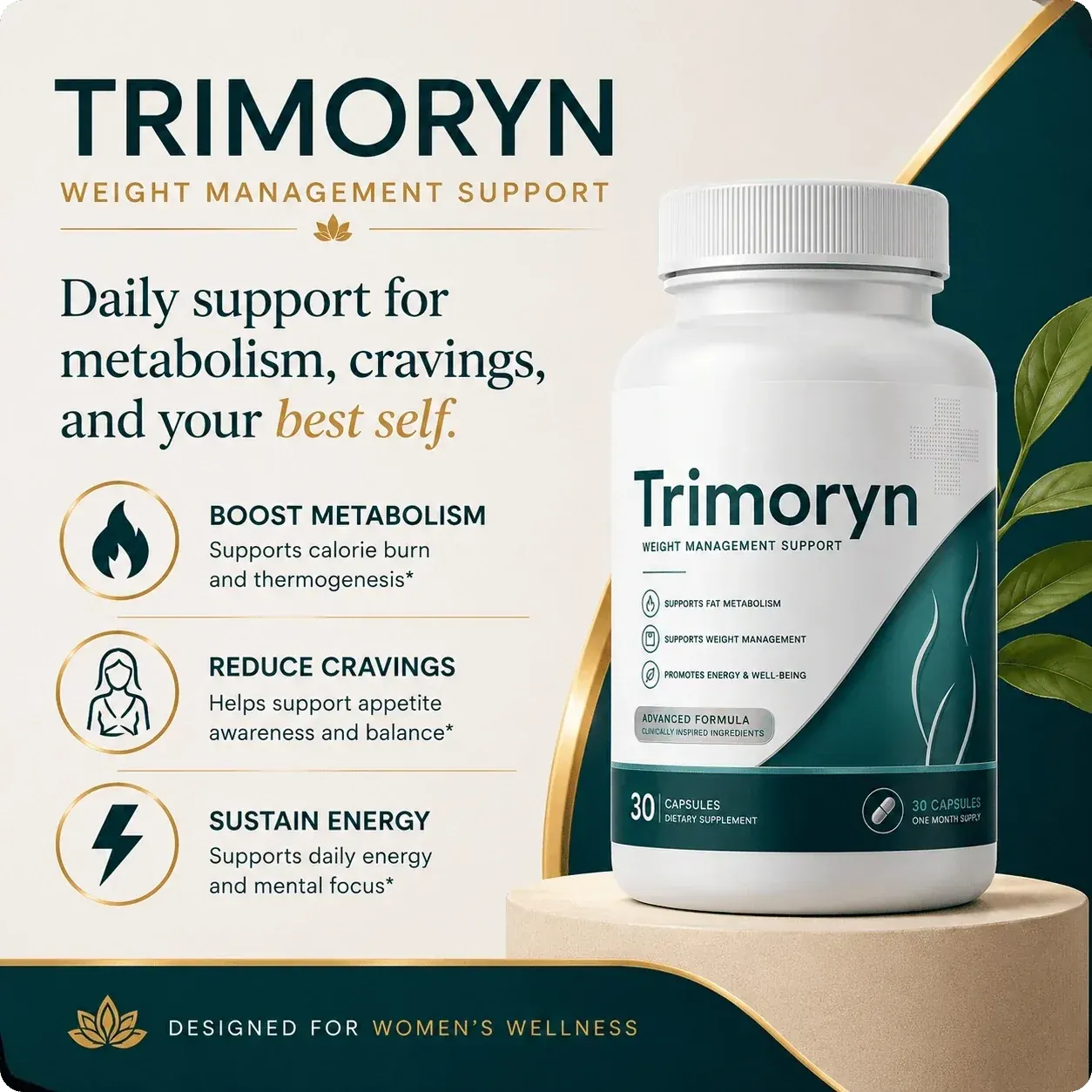
- Together: combined safely in fiber-plus-metabolic formulas like Trimoryn.
Type "glucomannan vs berberine" into a search bar and you will find a lot of pages that treat the two like boxers in a ring, as if one has to win. That framing is the mistake. Glucomannan and berberine are two of the most talked-about ingredients in appetite and weight-management supplements precisely because they do completely different things. Comparing them is useful, but the useful question is not "which is better", it is "which does the job I am actually trying to do". This guide answers that, and explains why a well-built formula often reaches for both.
The short version: glucomannan controls appetite in the most literal, physical sense, at the meal, in the moment. Berberine barely touches hunger but does serious work on the metabolic machinery underneath. Understanding that split is the difference between buying the right tool and being disappointed by the wrong one.
Glucomannan: the physical brake on how much you eat
Glucomannan is a soluble fiber extracted from the root of the konjac plant. Its mechanism is almost boringly physical, which is exactly why it is reliable. It absorbs a remarkable amount of water, swelling into a thick gel in your stomach. That gel takes up space, slows how quickly your stomach empties, and sends the fullness signals that tell your brain the meal was bigger than it was. Taken with a full glass of water fifteen to thirty minutes before eating, it means you sit down to the meal already partly full and finish it having eaten less without white-knuckling through hunger.
Because the effect is mechanical rather than chemical, it does not depend on your metabolism, your hormones or your genetics in the way a drug might. It works for a large majority of people who use it correctly, in the region of seven in ten, and the main reason it fails is simply not taking it with enough water or not taking it before the meal. Its European authorised claim, notably, is specifically about weight loss in the context of an energy-restricted diet at three grams a day split across the day with water. That is a real, regulator-recognised appetite claim, which is rare in this category and worth respecting.
The catch is the same as the mechanism. A fiber that swells with water carries a genuine choking and blockage warning if you take it dry or with too little liquid, which is a safety point we treat seriously in our guide to weight loss supplement side effects and how to take fiber safely. Handled properly, it is one of the gentlest appetite tools available; handled carelessly, it is the one with the most literal physical risk.
Berberine: the metabolic lever that barely touches hunger
Berberine is not a fiber and does not fill you up. It is a plant alkaloid, a bitter yellow compound found in barberry and several other botanicals, and it works inside your cells rather than in the space of your stomach. Its headline mechanism is activating an enzyme called AMPK, sometimes described as a master metabolic switch, which influences how cells take up glucose and use energy. Through that pathway, berberine has been studied for improving insulin sensitivity and supporting healthier blood-sugar handling.
What berberine does not do, at least not in the immediate way glucomannan does, is silence hunger at the table. Its weight-related effects are slower, more metabolic and dose-dependent. The trials that show a benefit generally use more than a gram a day, split into two or three doses with food, sustained for eight weeks or longer. Below that dose or over a shorter window, you should not expect much. This is the opposite temperament to glucomannan: less about the meal in front of you, more about the machinery running in the background over a season. We go deeper into the mechanism and the human data in our review of berberine, Akkermansia and the metabolism evidence.
Why a formula might use both
Once you see that these two ingredients solve different problems, combining them stops looking like padding and starts looking like design. Glucomannan handles the behavioural side, making a calorie deficit easier to hold by taking the edge off hunger at meals. Berberine handles the metabolic side, working on how the body processes the food you do eat. One makes the deficit livable day to day; the other supports the system that turns that deficit into results over weeks.
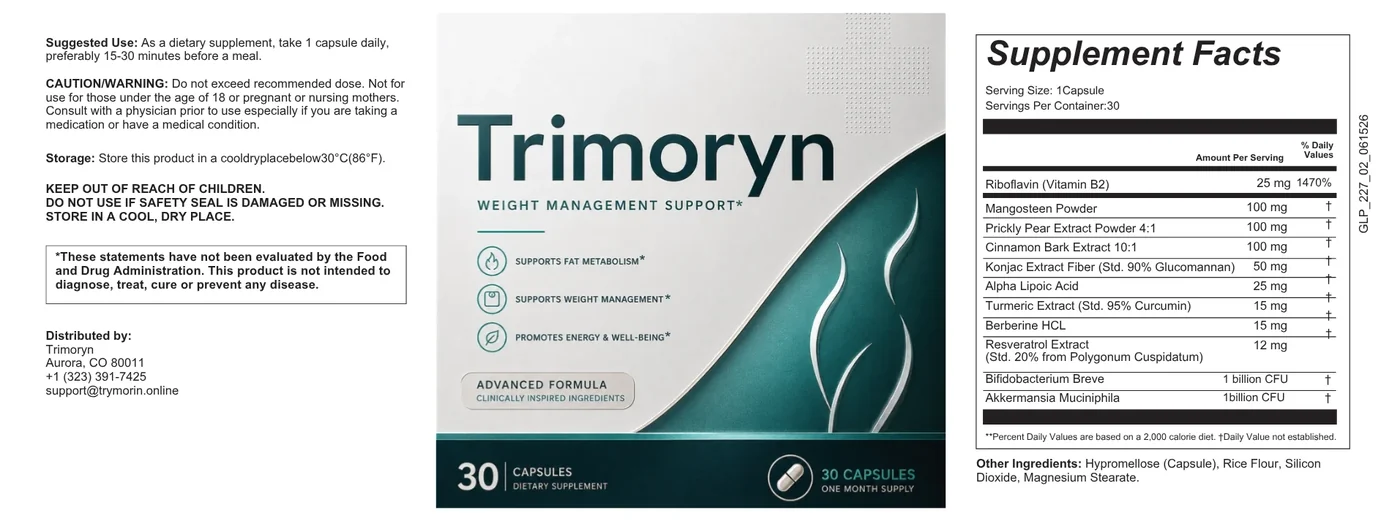
They also stack safely. Because one is an inert physical fiber in the gut and the other an alkaloid acting inside cells, there is no mechanistic collision between them. That is the logic behind a fiber-plus-metabolic build, and it is exactly how Trimoryn's fiber-and-metabolic support formula is constructed: glucomannan for appetite, berberine alongside cinnamon bark and prickly pear for metabolic support, plus alpha lipoic acid and two studied gut strains. The idea is not that any single ingredient is magic, but that appetite and metabolism are two different levers and pulling both is more useful than arguing over which one to pull.
Want appetite and metabolic support in one formula?
See the exact glucomannan and berberine amounts, the full ingredient panel, current pricing and the money-back guarantee on the official page.
See the Official Trimoryn OfferGlucomannan vs berberine at a glance
| Feature | Glucomannan | Berberine |
|---|---|---|
| Type | Soluble fiber (konjac root) | Plant alkaloid |
| Main mechanism | Physically fills the stomach | Activates AMPK, aids insulin sensitivity |
| Best for | Appetite at the meal | Blood sugar and metabolism over weeks |
| Speed | Immediate, per meal | Gradual, 8+ weeks |
| Typical dose | ~3 g/day with water, before meals | >1 g/day split with food |
| Main caution | Choking risk if taken with too little water | Can lower blood sugar; GI upset early on |
Objection one: "Isn't glucomannan just an expensive way to eat fiber?"
Partly fair, and worth answering honestly. Yes, glucomannan is fiber, and yes, you can get soluble fiber from food. But the dose and the timing are the point. The satiety effect depends on a concentrated gel forming right before a meal, which is hard to reproduce with a normal plate of vegetables. That said, if you already eat a genuinely high-fiber diet, a glucomannan supplement will add less than it would for someone eating very little fiber. The honest framing is that it is a tool for a specific job, appetite at meals, not a nutritional miracle. Judge it on whether that job is one you need.
Objection two: "I heard berberine causes stomach upset"
Also true, and manageable. The most common berberine complaint is mild gastrointestinal upset, cramping, loose stools or constipation, especially in the first week or two. The standard fix is not to start at the full dose. Beginning with a smaller amount and building up over a couple of weeks, always taking it with food, lets the gut adjust and resolves most of these issues. Someone who quits berberine on day three because their stomach was unhappy usually never gave the ramp-up a chance. The detailed schedule sits in our companion piece on berberine dosage and a realistic results timeline.
Glucomannan works on the meal in front of you. Berberine works on the machinery behind it. The best answer to "which one" is usually "both, doing their own jobs".
Which should you choose?
If your single biggest struggle is portion size and constant hunger, and you want something you can feel working at the next meal, glucomannan is the more direct answer. If your concern is more metabolic, blood-sugar swings, energy, the sense that your body is not processing food the way it used to, berberine is the more relevant tool, provided you commit to a proper dose for two months or more. And if, like most people, you recognise yourself in both descriptions, a formula that includes both at meaningful amounts saves you buying and timing two separate products. Whichever way you lean, the deciding factor should be the amount on the label, not the size of the promise on the front, and the safety notes should be read before, not after, you start.
Medical note: this article is general information, not medical advice. Berberine can affect blood sugar and interact with medicines; glucomannan must be taken with plenty of water. Speak to a healthcare professional before starting either, especially if you are pregnant, nursing, on medication or managing blood sugar.
Related reading
Berberine for weight loss: dosage and timeline
How much to take, when results appear, and how to ease the GI adjustment.
A natural appetite suppressant that actually works
Fiber-first appetite control and the ingredients with real backing.
Supplement choices for women over fifty
Stimulant-free options and what changes for metabolism in midlife.
Weight loss supplement side effects and safety
Realistic side effects, interactions and who should be cautious.
Frequently asked questions
Is glucomannan or berberine better for appetite?
For appetite specifically, glucomannan usually wins, because it physically fills the stomach and curbs how much you eat at the meal itself. Berberine does not blunt hunger in the same immediate way; its value is metabolic, acting on blood-sugar handling and energy signalling over weeks. They are not really rivals for the same job, which is why many formulas use both instead of picking one.
Can I take glucomannan and berberine together?
Yes. Glucomannan and berberine work through completely different mechanisms, one a physical fiber in the gut and the other an alkaloid acting inside cells, so they can be combined safely and are often paired on purpose. Take glucomannan with a full glass of water before meals, and take berberine with food in divided doses. If you are on medication, check with a clinician first, since berberine can affect blood sugar.
Which is safer for midlife women?
Both have reasonable safety records for healthy adults, and neither is a stimulant, which many women in their forties and fifties prefer. Glucomannan's main caution is mechanical: always take it with plenty of water to avoid choking or blockage. Berberine's main caution is that it can lower blood sugar and interact with some medicines. Women who are pregnant or nursing should avoid berberine, and anyone on prescription drugs should ask a clinician before starting.
Do these ingredients help blood sugar too?
This is where berberine is strongest. It activates the AMPK enzyme and has been studied for improving insulin sensitivity and supporting healthier blood-sugar handling, though it needs more than a gram a day for eight or more weeks to show weight effects. Glucomannan can also modestly slow the rise in blood sugar after meals by forming a gel that delays digestion, but its headline strength is appetite rather than metabolism.
Scientific references
- NIH Office of Dietary Supplements — Dietary Supplements for Weight Loss
- NIH NCCIH — Dietary and Herbal Supplements
- U.S. FDA — Orlistat (Alli, Xenical) Information
- Mayo Clinic — Prescription weight-loss medicine
- Onakpoya I. et al. — The efficacy of glucomannan supplementation in overweight and obesity: a systematic review and meta-analysis of randomized clinical trials, Journal of the American College of Nutrition (2014)
- Xiong P. et al. — The effect of berberine supplementation on obesity indices: a dose-response meta-analysis and systematic review of randomized controlled trials, Complementary Therapies in Clinical Practice (2020)
See both ingredients in one panel
Glucomannan and berberine amounts, the two gut strains, shipping options and the current Trimoryn price and guarantee are all on the official page.
Check Availability