Gut Health Supplements in UK Law: How the Rules Actually Work
Quick Answer: How UK Supplement Rules Work
Food supplements in the UK are regulated as food, not as medicine. That means the Food Standards Agency sets policy and local authority trading standards teams enforce rules on safety, labelling, permitted ingredients and what a product is allowed to claim — but no one approves an ordinary supplement before it goes on sale. Responsibility sits with the business placing it on the market. Anything presented as treating or preventing a disease stops being a supplement and becomes a medicine, which is regulated far more tightly by the MHRA.
- Regulated as: food, under food law — not as a licensed medicine.
- Pre-approval: none for ordinary supplements; the seller carries the legal duty.
- Claims: only authorised wording is allowed, and disease claims are prohibited outright.
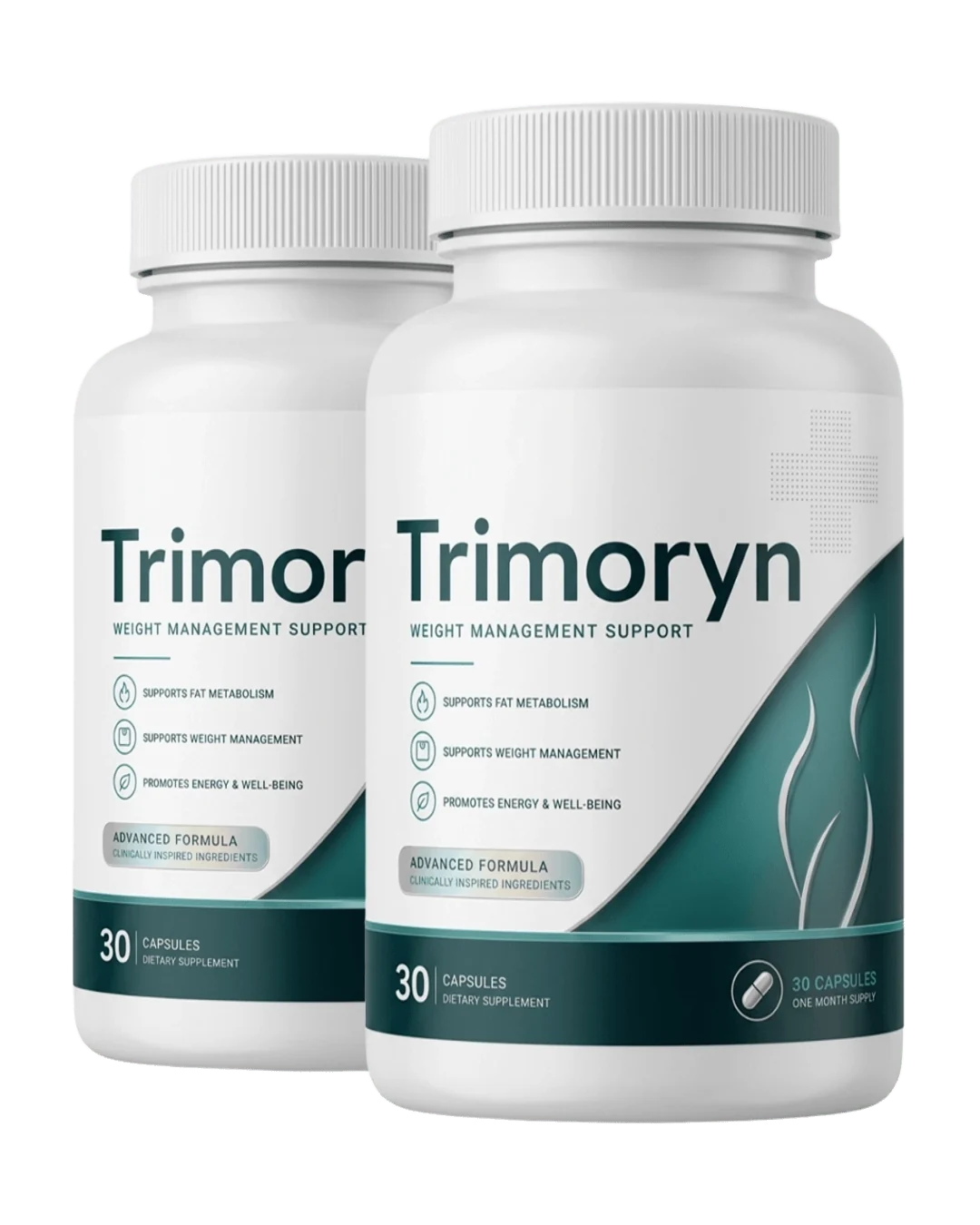
Food, not medicine: the distinction everything hangs on
The single most useful thing to understand about supplement regulation in the UK is that it is food regulation. A capsule containing fibre, a botanical extract and a couple of bacterial strains is legally a foodstuff in concentrated form, and it is governed by food law rather than by the licensing system that covers medicines.
That distinction determines everything downstream. Medicines require a licence granted only after the regulator has examined evidence of quality, safety and efficacy for a stated indication. Food supplements require none of that. What they require instead is that the business placing them on the market ensures they are safe, accurately labelled, made from permitted ingredients and described in permitted terms. Enforcement happens after the fact, by local authority trading standards officers, rather than before the fact by a licensing body.
The line between the two categories is drawn by presentation as much as by content. If a product is presented as treating, preventing or curing a disease, it is being presented as a medicine, regardless of what is inside the capsule — and selling an unlicensed medicine is a serious matter. That is why compliant supplement copy uses careful, hedged language about support rather than confident language about cures. It is not squeamishness. It is the boundary of the category.
Who does what: the bodies involved
Several organisations have a role, and they are easy to confuse.
The Food Standards Agency is the food safety body for England, Wales and Northern Ireland, with Food Standards Scotland performing the equivalent role in Scotland. It sets and advises on the rules that supplements must follow, publishes guidance on permitted ingredients and vitamin and mineral forms, and manages the authorisation routes for things such as novel foods.
The Medicines and Healthcare products Regulatory Agency regulates medicines. It becomes relevant to this category in two ways: when a product crosses the line into medicinal presentation, and through the Traditional Herbal Registration scheme, which allows certain herbal products to be registered and to carry limited traditional-use wording based on long-standing use rather than clinical trials. A THR registration number on a pack means something specific; its absence on an ordinary supplement means nothing is wrong.
The Advertising Standards Authority polices marketing claims in advertising, and local authority trading standards teams handle enforcement on the ground, including labelling failures and unsafe products. Between them they cover the gap left by the absence of pre-market approval — but they act on complaints and inspections, which is a slower and patchier mechanism than licensing.
No one checks an ordinary supplement before it reaches the shelf. The rules are real, the enforcement is real, and both operate after the product is already on sale.
Buying from outside the UK?
If you are comparing the best gut health supplement UK sellers stock against an imported formula, check the panel, shipping terms and the current price on the official page before you order.
See the Official Trimoryn OfferWhat a health claim legally is
This is where UK rules bite hardest, and where the difference between a compliant page and a non-compliant one is most visible. Health claims — statements that a food or ingredient does something beneficial for the body — may only be made using authorised wording, for the specific ingredient and at the specific amount the authorisation covers. The permitted wordings sit on a public register inherited from the EU system and maintained for Great Britain since.
Two things follow. First, the authorised claims are narrower and duller than marketing would like. Riboflavin, for example, carries an authorised claim about contributing to normal energy-yielding metabolism — a statement about normal function, not about fixing a problem or producing weight loss. Second, an ingredient having research behind it does not entitle a seller to claim anything: many botanical claims have sat unresolved in the system for years, which is why compliant labels often say very little about their most interesting ingredients.
Disease claims are prohibited outright. A supplement may not say it prevents, treats or cures anything, and it may not imply it either through imagery, before-and-after framing or association. This applies to the whole page, not just the label — the advertising and the product copy are both in scope. That is the standard any specific product should be held to, and it is the standard we apply in our honest look at whether Trimoryn works.
UK and US labels compared
Most of the products people encounter online are labelled for the American market, so it helps to know what translates and what does not.
| Feature | UK / GB approach | US approach | What it means for you |
|---|---|---|---|
| Legal category | Food supplement under food law | Dietary supplement under DSHEA | Similar idea, different rulebooks |
| Pre-market approval | None for ordinary supplements | None for ordinary supplements | Neither system pre-approves products |
| Panel format | Nutrition information per serving, EU-derived layout | "Supplement Facts" panel | An American panel is normal on imports |
| Reference values | Nutrient Reference Values | Percent Daily Value | Percentages are not directly comparable |
| Claim control | Register of authorised health claims | Structure/function claims plus FDA disclaimer | US wording may not be lawful in UK adverts |
| Herbal route | Traditional Herbal Registration via MHRA | No direct equivalent | A THR number is a UK-specific signal |
| Enforcement | Trading standards, FSA, ASA | FDA and FTC, largely post-market | Both act after sale, not before |
The familiar American sentence — that statements have not been evaluated by the Food and Drug Administration and the product is not intended to diagnose, treat, cure or prevent any disease — is a US legal requirement. Seeing it on a product you bought from a UK address is not a red flag; it simply tells you the label was written for the American system.
Buying gut health supplements in UK shops and online: practical checks
The regulatory background matters mainly because of what it tells you to check yourself. Since nobody vetted the product before it was listed, these are the checks worth doing when you buy gut health supplements in UK shops or from an overseas seller.
Check the ingredient list against UK rules. Permitted ingredients and permitted forms differ between jurisdictions, and something legal in one market is not automatically legal in another. Novel food rules matter here too: ingredients without a significant history of consumption in the UK before May 1997 need authorisation, and the status of newer microbial ingredients has been an active area. If in doubt, check current FSA guidance rather than assuming.
Check the amounts, not the ingredient names. This is the same advice regardless of country, and it is the most useful habit in the category. Berberine trials generally use around 1,000 to 1,500 mg a day; glucomannan's satiety claim was authorised at three grams a day taken as three one-gram doses with water before meals, within an energy-restricted diet. Products routinely contain far less than either. Our companion piece on comparing cost per serving rather than per bottle covers how to price that properly.
Check the delivery and returns reality. Imported orders can attract customs duty, import VAT and a carrier handling fee, none of which appear at checkout. Return shipping on an international order is rarely trivial, and a guarantee that requires bottles to be returned to a US address is a different proposition from one processed domestically. Read the terms before, not after.
Check who you are buying from. A named company, a physical address, contactable support and published returns terms are the baseline. If a page cannot tell you who is selling and how to reach them, the price is not the problem. It is worth knowing what the category can legally contain before you shop at all, which is the ground covered in our look at over-the-counter weight loss pills and the one that has been through an approval process.
What UK regulation does not give you
It is worth being blunt about the limits, because "regulated" is a word that does a lot of reassuring work in marketing copy without meaning what readers assume.
Regulation does not mean a product works. Nothing in food law requires evidence of efficacy for an ordinary supplement, and the authorised claim register covers a narrow set of nutrients rather than the botanical blends that make up most of this category. Regulation does not mean a product was tested before sale, or that its contents were verified against its label by an official body. It does not guarantee that a dose matches the research behind the ingredient — that remains entirely the buyer's job to check.
Nor does it change the underlying evidence picture. Assessments published by the US National Institutes of Health repeatedly find that weight-loss supplement effects are small at best and that the evidence is often of low quality, and no regulatory framework improves on that. A calorie-controlled diet and regular physical activity are what actually move body weight; supplements are studied as support alongside those habits, which is exactly how the Trimoryn formula covered on this site is positioned.
Finally, rules change. Post-Brexit divergence between GB and Northern Ireland arrangements, updates to the novel foods list and periodic revisions to claim registers all mean the position at the time you read this may differ from the position when it was written. Treat this article as an orientation to how the system works, and check current FSA and MHRA guidance for anything specific.
Medical note: this article is general information about regulation, not legal or medical advice. Speak to a healthcare professional before starting any supplement, especially if you are taking medication or managing a health condition.
Frequently asked questions
Are supplements regulated in the UK?
Yes, but as food rather than as medicine. Food supplements sold in the UK fall under food law, with the Food Standards Agency setting policy and local authority trading standards teams enforcing it. That means rules on labelling, safety, permitted ingredients and what a product may claim. It does not mean each product is individually approved or tested before it goes on sale, which is the point most buyers misunderstand.
Who approves supplements before they go on sale in the UK?
No one approves an ordinary food supplement product before sale. Responsibility sits with the business placing it on the market, which must ensure it is safe, correctly labelled and compliant. Pre-market authorisation applies only in specific cases, such as novel foods that were not widely eaten before May 1997, or products presented as medicines, which fall to the Medicines and Healthcare products Regulatory Agency instead.
What is an authorised health claim?
An authorised health claim is a specific form of wording that has been assessed and permitted for a named nutrient at a named amount. Riboflavin contributing to normal energy-yielding metabolism is one example. Claims must come from the register of permitted wording, must be used for the ingredient and dose they were authorised for, and cannot state or imply that a food prevents, treats or cures a disease.
Can I buy a US-labelled supplement in the UK?
Often yes, but you are importing it, and the label follows US rules rather than British ones. A Supplement Facts panel and an FDA disclaimer are American conventions, percentage daily values are calculated against US reference figures, and permitted ingredients differ between the two systems. Check the ingredient list against UK rules, expect possible customs or handling charges, and confirm the returns process before ordering.
Scientific references
- NIH Office of Dietary Supplements — Dietary Supplements for Weight Loss
- NIH NCCIH — Dietary and Herbal Supplements
- Mayo Clinic — Dietary supplements: Do they help or hurt?
- Harvard T.H. Chan School of Public Health — Vitamins and Supplements
- Tucker J. et al. — Unapproved pharmaceutical ingredients included in dietary supplements associated with US Food and Drug Administration warnings, JAMA Network Open (2018)
Read the panel before you order
Full ingredient amounts, both strains with CFU counts, shipping options and the current Trimoryn price — all shown on the official page.
Check Availability